
Picralima nitida
Picralima nitida
Description
Growing requirements
Picralima nitida is an evergreen tree belonging to the Apocynaceae family, native to the tropical forests of West and Central Africa. It can grow up to 35 meters in height and is characterized by its dense canopy and significant medicinal value derived from its seeds and bark.
The crop requires fertile, well-draining loamy soils rich in organic matter. It is highly susceptible to root rot caused by waterlogging, so planting on elevated terrain or ensuring efficient field drainage is mandatory for successful growth.
As a tropical species, it thrives in a temperature range of 22 to 30 degrees Celsius. Extreme temperatures or cold snaps can cause metabolic stress, significantly reducing the tree's health and its ability to synthesize important chemical compounds.
High humidity is essential for the optimal development of this tree. In regions with a pronounced dry season, supplemental irrigation is necessary to prevent excessive water loss through transpiration, which leads to early defoliation and poor fruit set.
The tree prefers partial shade during its juvenile phase, resembling the light conditions of the forest understory. As it matures, it adapts to more direct light, but the maintenance of soil moisture through mulching remains a key agronomic practice for sustained health.
Yield
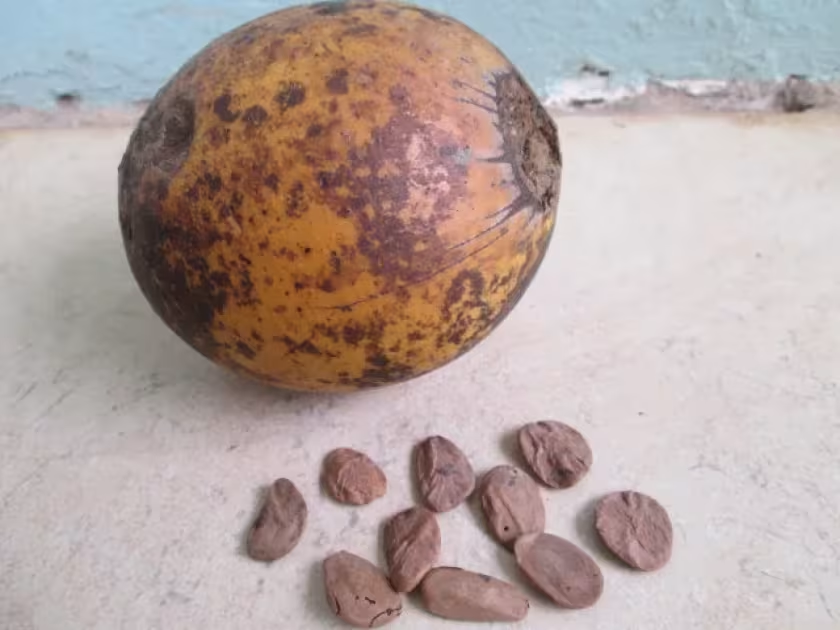
The primary economic value of Picralima nitida lies in its seeds, which are rich in indole alkaloids used in pharmacology for their analgesic and anti-malarial properties. The fruits are large, smooth pods that contain numerous seeds.
Harvesting is typically done manually once the pods reach maturity and change color. A healthy adult tree can yield significant quantities of raw material per season, provided the soil fertility and moisture levels are consistently maintained.
Post-harvest management is crucial for product quality. Seeds must be processed and dried under controlled temperature conditions to preserve the integrity of the active alkaloids, which are sensitive to heat and moisture exposure.
Bark harvesting is another potential source of income but requires sustainable techniques. Careful, partial removal of bark helps ensure the tree can continue to thrive, preventing the long-term depletion of the plantation's biological assets.
Market demand for raw botanical materials is increasing, making the professional cultivation of this species a potentially profitable venture in tropical regions. Selective breeding programs are underway to maximize the concentration of alkaloids in harvested seeds.
Main diseases and pests
Fungal diseases affecting the roots are the most significant threat to the crop, often stemming from poor soil aeration and excessive rainfall. Regular monitoring and the application of fungicides, when necessary, are vital to preventing plantation losses.
Insect pests, such as leaf-eating beetles and wood-boring insects, can cause severe damage. Implementing integrated pest management (IPM) strategies, including biological controls, helps manage insect populations without degrading the quality of the harvested medicinal plant.
Sooty mold often develops on leaves following infestation by sucking insects like aphids or scale. This layer of mold blocks sunlight, hindering photosynthesis and weakening the tree, which underscores the need for early pest detection.
Weed management is critical, especially in young plantations where competing vegetation can deprive the trees of vital nutrients and water. Regular mechanical weeding and the maintenance of a clear zone around the base of each tree are standard practices.
Physical damage to the trunk or branches can facilitate the entry of pathogenic fungi or bacteria. Proper pruning techniques and the immediate sealing of pruning wounds are recommended to protect the tree from opportunistic infections.