
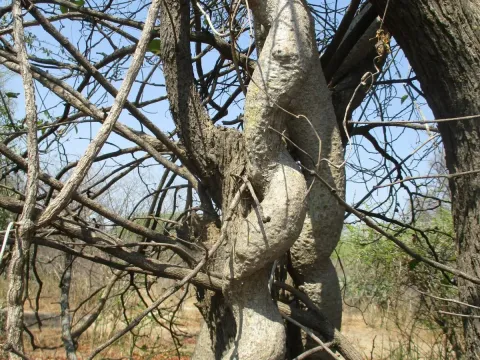
Fockea
Fockea
Fockea is a genus of perennial succulent plants belonging to the Apocynaceae family. These plants are well-known as caudiciforms, characterized by a large, tuberous base called a caudex, which acts as a water storage organ in arid environments.
What the section contains


Fockea
The native distribution of this genus is primarily focused in the dry regions of Southern Africa. These plants have evolved to thrive in rocky, desert-like terrains where they face extreme heat and irregular rainfall patterns.
Successful cultivation requires intense lighting conditions. Direct sunlight is essential for the healthy development of the caudex and ensures the plant maintains its compact, stunted growth habit typical for desert species.
The growing medium must be highly porous and well-draining. A mix of pumice, coarse sand, and a small portion of organic potting soil is highly recommended to prevent any moisture buildup around the root system.
Climate requirements involve maintaining a warm temperature between +22°C and +30°C during the growing season. A cool, dry winter dormant period (around +12°C to +15°C) is strictly necessary to mimic natural cycles.
Root and caudex rot caused by overwatering is the most significant threat to Fockea. If the soil remains saturated for extended periods, the plant’s tissues become susceptible to fungal infections which are often fatal.
Pests such as spider mites and mealybugs can infest the plant, especially if ventilation is poor or if the plant is stressed due to improper environmental conditions. These pests can rapidly weaken the vegetative growth.
Integrated pest management is crucial. Growers should monitor plants for signs of infestation and apply systemic insecticides or horticultural oils if pests are detected to prevent a total infestation.
Maintaining proper hygiene is vital for plant longevity. Ensure that the greenhouse or living space is well-ventilated, and avoid overhead watering that could cause moisture to pool on top of the caudex.
- Ensure pots have adequate drainage holes.
- Use sterile tools when pruning or repotting to avoid spreading pathogens.