
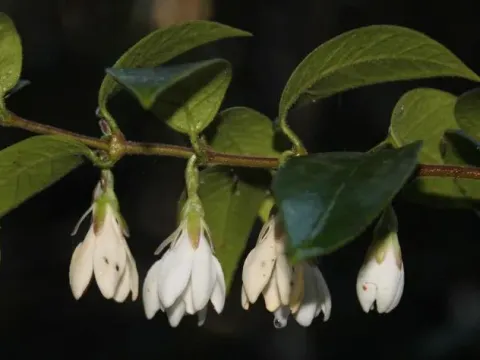
Elytropus
Elytropus
Elytropus is a genus of climbing vines belonging to the Apocynaceae family. Naturally found in the temperate rainforests of South America, this plant is known for its distinct woody structure and climbing habit.
What the section contains

Elytropus
Botanically, the plant is characterized by its evergreen foliage, which provides dense cover. It requires vertical support structures, as its twining stems naturally seek height to reach better light conditions in the forest canopy.
Environmental requirements for Elytropus include a cool, temperate climate with high humidity levels. The plant does not thrive in extreme heat or arid environments, which can cause significant stress to its root system and leaves.
Soil quality is paramount for successful growth. The ideal substrate should be well-draining, slightly acidic, and rich in organic matter. Proper drainage is essential to prevent waterlogging, which the plant is highly sensitive to.
Cultivation in managed environments requires a consistent watering schedule that mimics natural precipitation cycles. Mulching the base of the plant helps maintain soil moisture stability and suppresses weed competition.
The primary threats to Elytropus include root rot caused by stagnant water in the substrate. Over-watering creates an anaerobic environment where opportunistic fungi thrive, eventually killing the plant's root system.
Insect pests such as spider mites and scale insects are common in greenhouses or sheltered outdoor environments. These pests cause damage by piercing leaf tissues and extracting plant sap, leading to stunted growth.
Cultural management, including proper pruning to ensure air circulation, is the first line of defense against fungal and pest outbreaks. Thinning out overgrown vines reduces humidity trapped within the foliage.
In cases of heavy infestation, specific pesticides or biological control agents may be required. Monitoring should focus on the undersides of leaves, where pests typically establish their initial colonies.
Safety considerations are necessary when maintaining the plant, as members of the Apocynaceae family often produce a milky, toxic sap. Direct skin contact with sap should be avoided during pruning or handling.