
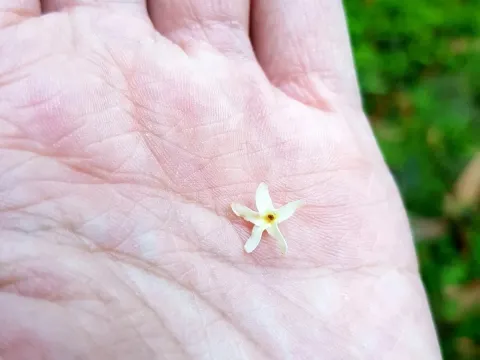
Dyera
Dyera
Sowing of Dyera seeds is primarily conducted in nurseries with a controlled microclimate. The optimal time for planting coincides with the beginning of the rainy season, which ensures a high germination rate by maintaining constant soil moisture.
What the section contains


Dyera
Light, well-drained potting mixes rich in organic matter are used for germination. Seeds have a limited shelf life, so it is highly recommended to use only freshly collected planting material for establishing new plantations.
The germination process requires a stable temperature range of 25–30 degrees Celsius. It is crucial to prevent the top layer of the substrate from drying out during the first few weeks of seedling growth, as the root system is extremely sensitive to water stress.
Once seedlings reach a height of 30–50 centimeters, they undergo a hardening process before being transplanted into the field. This critical step allows the young plants to adapt to direct sunlight and natural temperature fluctuations.
Planting density in commercial Dyera plantations is typically around 400–600 trees per hectare. This spacing provides an optimal feeding area for each specimen and facilitates subsequent maintenance and forest management operations.
Dyera belongs to the Apocynaceae family and is a typical representative of the rainforests in Southeast Asia. This evergreen tree, which reaches significant dimensions, prefers a tropical climate with high air humidity.
The crop requires high annual rainfall and cannot withstand prolonged dry periods. The optimal altitude for cultivation is from sea level to 500 meters, where a stable thermal regime is maintained throughout the year.
The crop is quite demanding regarding soil conditions: it prefers deep, loamy, well-drained soils with a neutral to slightly acidic pH. Water stagnation in the root zone can lead to the development of fungal infections and potential tree mortality.
Dyera is a light-loving crop that requires full sun exposure to form a strong trunk and accumulate latex effectively. In its natural environment, it often grows as a component of secondary forests, rapidly colonizing open areas.
Agricultural practices include the regular application of complex fertilizers during the first years of growth to stimulate biomass development. An essential element of care is maintaining a weed-free zone around the base to prevent competition with young saplings.
The main commercial product of Dyera is Jelutong, a milky sap (latex) extracted through trunk tapping. The yield depends on the tree's age, health status, and the intensity of the extraction process.
The first latex harvest is possible when the tree reaches 15–20 years of age, when the trunk diameter is sufficient for safe bark incision. Premature exploitation can lead to plant exhaustion and a decline in overall timber quality.
A second major product is the wood, valued for its softness, lightweight properties, and uniform texture. Trees are suitable for logging after reaching their economic maturity, providing high-quality timber for the furniture industry.
The volume of latex collected per hectare varies depending on the tapping method and intensity. Modern techniques allow for maximizing raw material output while maintaining the long-term viability and health of the tree.
Maintaining stable yields requires a strict tapping schedule that minimizes bark trauma and prevents the contamination of wounds by pathogenic microorganisms.
The primary threats to Dyera are pathogenic fungi that attack the root system during periods of excessive soil moisture. Signs of infection include premature leaf yellowing and a general suppression of tree growth rates.
Insect pests, such as wood-boring beetles, can penetrate deep into the trunk, damaging the internal wood structure and impeding sap flow. Pest population control is managed through regular monitoring and targeted insecticide treatment of affected areas.
Bacterial infections developing in bark wounds pose a serious risk to plantation productivity. It is essential to use sterile tools during tapping to prevent the spread of infections across the entire plantation area.
Strong winds and typhoons can cause mechanical damage and uprooting, which is particularly critical for young plantations with not yet fully established root systems. Windbreak strips are an important element of plantation planning.
Poorly organized tapping becomes a gateway for fungal spores. Strict adherence to safety protocols during Jelutong extraction is a key factor in protecting the plantation from degradation.
The harvesting of Dyera latex is performed in the early morning hours when metabolic processes in the tree promote maximum sap flow. The process involves carefully making V-shaped incisions on the bark at a specific angle.
The collected latex is gathered in specialized containers and undergoes primary purification to remove impurities. Jelutong is a unique raw material used in the manufacturing of chewing gum, art paints, and insulating materials.
Timber harvesting is conducted through selective logging or complete clearing of plots after the end of their biological productivity cycle. The felled tree is debarked and dried under natural conditions to reach the required moisture content.
After harvesting, the wood requires rapid primary processing to prevent warping or cracking of the material. Effective plantation logistics play a significant role in determining the final cost-efficiency of the production.
The entire harvesting cycle must be accompanied by phytosanitary monitoring to exclude the transmission of diseases between healthy and damaged trees during the operation process.