
Fockea edulis
Fockea edulis
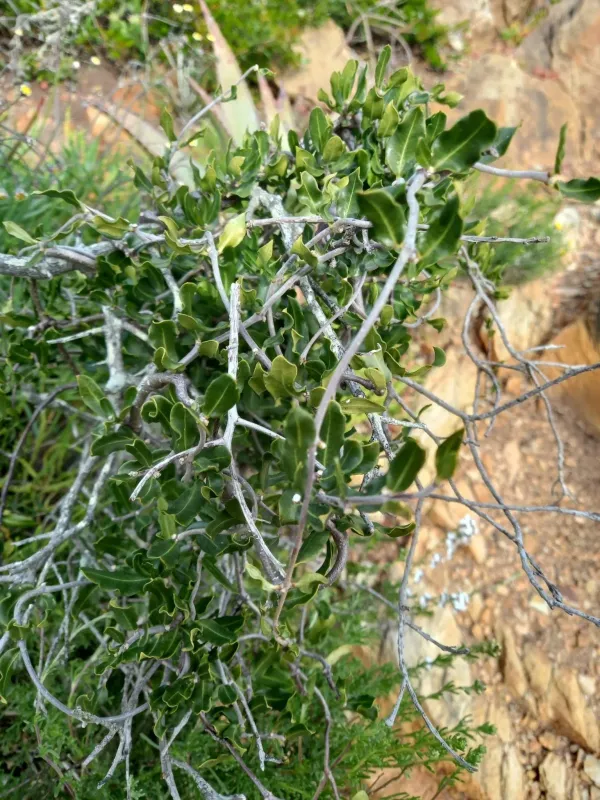
Description
Sowing dates
Propagating Fockea edulis is most successful when using fresh seeds sown during the spring months. The seeds require a light, well-draining substrate and a consistent temperature between 22 and 25 degrees Celsius.
During germination, it is essential to keep the soil surface moist and maintain high ambient humidity using a clear cover or propagator. Once true leaves appear, seedlings should be gradually acclimatized to lower humidity levels.
Vegetative propagation via cuttings is possible, but plants grown from seeds are generally preferred as they develop a more natural and attractive caudex shape over time.
Growth is significantly slow, and it may take several years for a seedling to develop a recognizable tuber, requiring patience and stable environmental conditions throughout the juvenile stage.
Avoid burying seeds too deeply in the substrate; they need sufficient light and air circulation to trigger germination and ensure strong initial root development.
Growing requirements
Fockea edulis is a member of the Apocynaceae family and is a highly specialized caudex succulent native to the arid regions of Southern Africa, thriving in full sun exposure.
The ideal growing medium must be highly porous, consisting of a mix of sand, grit, and perlite. A neutral to slightly alkaline pH is preferred to maintain healthy root systems and prevent fungal colonization.
During the active growing season, temperatures should range between 20 and 30 degrees Celsius. In winter, the plant enters dormancy and requires lower temperatures (12–15 degrees) and very limited water.
Watering must be heavy but infrequent, mimicking the seasonal rains of its native habitat. It is crucial to let the soil dry out completely between waterings to avoid root rot, which is the primary killer of this species.
Proper drainage is the most critical factor in the cultivation of this species, as stagnant water in the root zone quickly leads to the decay of the fleshy, edible tuber.
Yield
While the plant's name suggests it is edible, Fockea edulis is not a commercial agricultural crop due to its extremely slow growth rate and the need for long-term cultivation.
The tuber is traditionally consumed by indigenous populations after prolonged boiling or roasting, which is necessary to break down bitter or potentially toxic alkaloids present in the sap of the Apocynaceae family.
In modern horticulture, the plant is primarily valued by collectors of exotic flora and succulent enthusiasts rather than for food production purposes.
Success in growing this plant is measured by the size and aesthetic shape of the caudex, which can develop into a remarkable, thick tuber over several decades under optimal greenhouse care.
Given its slow development and specific ecological requirements, the plant is best suited for specialty nurseries that focus on biodiversity and rare botanical specimens.
Main diseases and pests
The primary threats to Fockea edulis include fungal infections caused by overwatering. These pathogens quickly invade the caudex, leading to soft spots and rapid plant death.
Common succulent pests such as spider mites and mealybugs often target the soft, growing stems, extracting nutrients and causing stunted growth or leaf chlorosis.
Effective pest management involves regular plant inspections and the application of systemic insecticides or mechanical cleaning if an infestation is detected at an early stage.
Insufficient light levels lead to etiolation, where stems become elongated and weak, significantly reducing the plant's natural resistance to diseases and physiological stress.
Maintaining a clean, well-ventilated environment and sterilizing pruning tools are essential practices to prevent the transmission of bacteria and viruses between individual plants in a collection.