
Fockea multiflora
Fockea multiflora
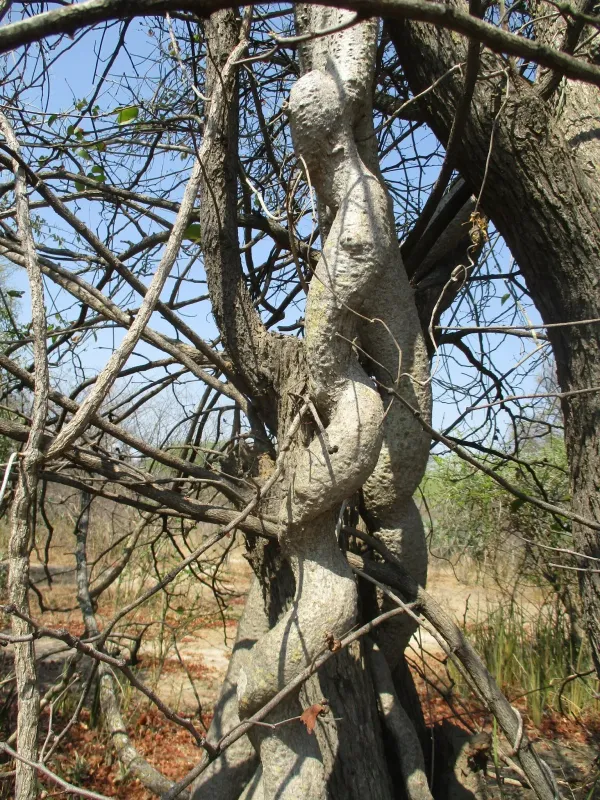
Description
Sowing dates
Seed propagation of Fockea multiflora requires maintaining a constant temperature between 25–28°C. Sowing should be done in a light, well-draining substrate mix consisting of sand and perlite.
Germination typically occurs within 2–4 weeks provided the substrate remains moderately moist. It is critical to prevent overwatering, as excessive moisture leads to damping-off in seedlings.
Once the first true leaves emerge, the seedlings are transplanted into individual pots. High-quality drainage holes are essential to prevent the accumulation of stagnant water in the root zone.
Active growth occurs during the spring and summer months, during which time the plants benefit from periodic mineral fertilization to promote healthy caudex development.
Seedlings exhibit slow growth rates, necessitating patience. Consistent, bright light is required from the early stages to ensure a compact and robust stem structure.
Growing requirements
Fockea multiflora belongs to the Apocynaceae family and is recognized as a distinctive caudex-forming succulent native to the arid environments of Southern Africa.
The plant thrives under bright, indirect light; however, it requires partial shade during peak sun hours to prevent sunburn on the caudex surface. Proper light exposure is vital for structural health.
Soil requirements demand highly porous and well-draining mixtures. Incorporation of gravel or expanded clay is recommended to optimize soil aeration for the sensitive root system.
The ideal temperature range during the active growing season is 22–30°C. During the winter dormancy period, temperatures should not fall below 12–15°C under dry conditions.
Watering must be strictly regulated. During the growing season, water only after the substrate has thoroughly dried out, while during winter, watering should be suspended.
Main diseases and pests
Root rot remains the most significant threat to Fockea multiflora, primarily caused by waterlogged soil and inadequate ventilation. This condition is often fatal if not diagnosed early.
Spider mites are common pests in greenhouse or indoor environments, particularly in dry air. Control involves the application of appropriate miticides and maintaining air humidity.
Mealybugs may infest leaf axils and the caudex surface, requiring manual removal followed by treatments with systemic insecticides to prevent re-infestation.
Poor ventilation can lead to fungal infections, characterized by leaf spotting or tissue softening. Maintaining airflow within the growing space is crucial for disease prevention.
Regular visual inspections of the caudex are necessary. Any changes in color or texture of the bark can serve as early warning signs of underlying physiological stress or pest pressure.