
Fockea capensis
Fockea capensis
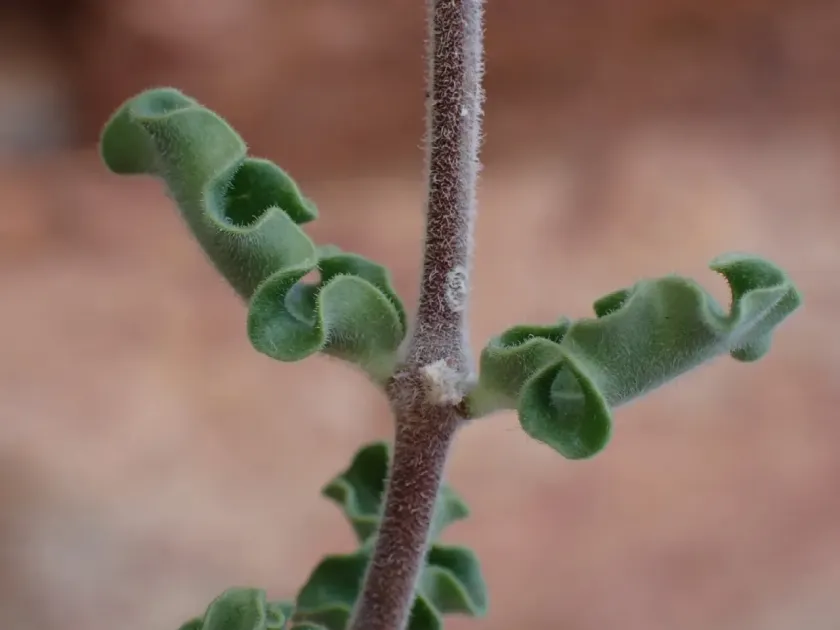
Description
Sowing dates
Seed propagation of Fockea capensis requires high soil temperatures, typically within the range of 25–28°C. Sowing is performed superficially in a light, sterile substrate with added perlite.
The optimal time for sowing is the spring period, as the daylight hours begin to increase significantly. It is crucial to maintain constant moisture levels for the seeds until the first sprouts emerge.
Germination is often uneven, requiring patience and a stable microclimate for the seedlings. Once two true leaves develop, plants should be transplanted into individual containers.
When using stem cuttings, it is important to ensure the cut is sterile and to utilize root-promoting hormones to facilitate successful rooting in a sandy substrate.
Sprouting time increases with insufficient light, which is why the use of specialized grow lights is recommended to accelerate the development of young plants.
Growing requirements
Fockea capensis belongs to the Apocynaceae family and is a unique caudex succulent native to the arid regions of Southern Africa.
The plant thrives in well-draining soil mixtures consisting of loam, coarse sand, and gravel to ensure the free drainage of excess water from the root system.
This species is highly photophilic and requires placement on south-facing windowsills or in greenhouses to receive maximum natural sunlight throughout the day.
The ideal summer temperature range is 22–30°C, while during the winter dormancy period, temperatures should be lowered to 12–15°C to stimulate healthy development.
Watering should be moderate during the active growth phase and nearly eliminated during the winter months to avoid the risk of caudex rot.
Main diseases and pests
Root rot represents the primary threat to Fockea capensis, resulting from stagnant water in the root zone and poor soil aeration.
Among common pests, spider mites are frequent invaders, thriving in the low-humidity environments typical of succulent cultivation.
Mealybugs can settle in leaf axils or on the surface of the caudex, sucking plant fluids and hindering development during the active vegetation period.
If pests are detected, the application of systemic insecticides and acaricides is recommended, along with seasonal preventative spraying.
To prevent fungal infections, it is essential to avoid getting water on the caudex during irrigation and to provide excellent ventilation in the growing area.