
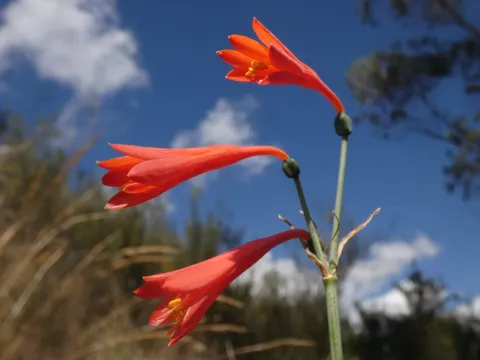
Clinanthus
Clinanthus
Clinanthus is a genus of bulbous perennial plants belonging to the Amaryllidaceae family. These botanical specimens are closely related to other popular bulbous genera, sharing specific physiological traits that make them highly attractive to horticulturists.
What the section contains


Clinanthus
The native distribution area of Clinanthus is primarily located in South America, specifically in regions of Peru and Chile. This geographical origin implies that the plants are adapted to specific high-altitude conditions, requiring high light intensity and proper ventilation.
In terms of soil requirements, Clinanthus necessitates a well-draining, loose substrate. The potting mix should be balanced with inert materials like perlite or coarse sand to ensure optimal water drainage, which is crucial for the health of the bulb.
Climate conditions must be carefully managed to emulate the plant's natural habitat. A distinct dormant period, characterized by reduced watering and lower temperatures, is essential for the plant to recover and prepare for its next blooming cycle.
Regarding its utility, Clinanthus serves strictly as an ornamental crop. It is highly valued by specialized collectors and botanical institutions for its structural beauty and unique floral display, though it requires precise care to thrive.
Fungal diseases constitute the primary threat to the stability of Clinanthus populations, especially when humidity levels remain unregulated. Root rot and red spot (Stagonospora) are the most frequent issues faced by growers.
Pest management is equally critical, with common greenhouse pests such as spider mites, mealybugs, and scale insects posing significant risks to the plant's health. These pests feed on the sap, weakening the structure and reducing aesthetic value.
An effective protection strategy involves regular monitoring of the foliage and bulbs. Early detection allows for the application of targeted insecticides or acaricides, preventing the infestation from spreading to other plants in the collection.
Preventative measures, such as maintaining proper air circulation and sterilizing planting equipment, are vital for disease control. A clean environment significantly reduces the pressure from airborne fungal spores.
In case of severe infestation or rot, affected plant parts must be promptly removed. The remaining healthy sections should be treated with appropriate fungicide or antiseptic powders to facilitate healing and prevent further decay.