
Crinum amabile
Crinum amabile
Description
Growing requirements
Crinum amabile is a robust perennial bulbous plant belonging to the Amaryllidaceae family. Native to tropical regions of Asia, specifically Indonesia, this species thrives in humid, frost-free climates and is widely recognized for its large size and spectacular blooms.
The plant features a massive, elongated bulb that serves as a storage organ, supporting broad, strap-like foliage that can grow up to a meter in length. The foliage is evergreen in tropical climates, providing a lush appearance throughout the year.
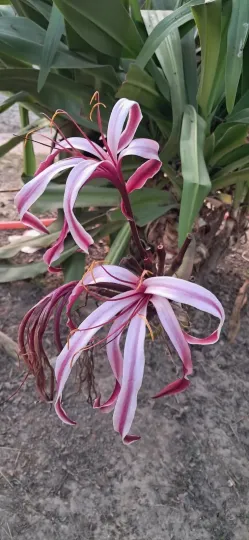
The inflorescence consists of a tall, sturdy scape bearing a large umbel of fragrant, showy flowers. The petals are distinct, typically displaying shades of deep pink or purple with a darker central stripe, contributing to its aesthetic value in commercial horticulture.
Requirements for cultivation include bright, indirect light and a warm environment with high humidity. In temperate zones, it must be grown in greenhouses or protected spaces where temperatures can be maintained consistently above 15°C.
Soil management is critical; the substrate must be highly fertile and well-drained. Incorporating organic matter such as peat or well-rotted compost ensures healthy bulb development, while regular irrigation during the growing season is essential.
Main diseases and pests
The primary threat to Crinum amabile is bulb rot, often triggered by waterlogged conditions or heavy, non-porous soil. Ensuring optimal drainage is the most effective preventative measure against soil-borne pathogens.
Spider mites represent a significant pest, particularly in the low-humidity environments often found in indoor cultivation. Infestations lead to yellowing leaves and reduced plant vigor, requiring immediate intervention with miticides.
Mealybugs are frequently encountered in the leaf axils, where they feed on plant sap. These pests can be managed through mechanical removal or the application of systemic insecticides approved for horticultural use.
Thrips can cause cosmetic damage to the foliage and potentially transmit viral infections. Frequent inspection and the use of sticky traps or appropriate insecticides can mitigate the risk of severe damage.
Stagonospora curtisii, commonly known as red blotch, can infect the bulbs, resulting in stunted growth and unsightly lesions. Integrating a schedule of fungicidal treatments and maintaining proper sanitation is vital for crop health.