
Clinanthus incarum
Clinanthus incarum
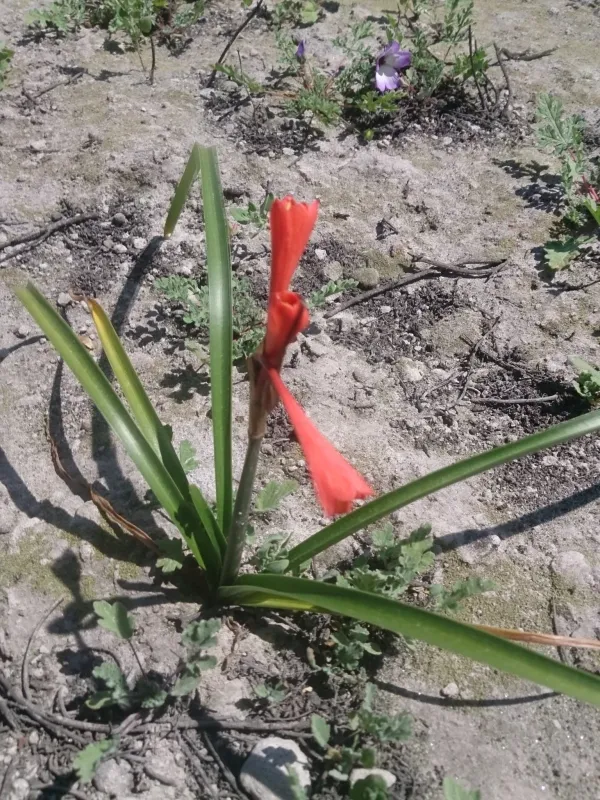
Description
Growing requirements
Clinanthus incarum is a perennial bulbous plant belonging to the Amaryllidaceae family. This species originates from the high-altitude regions of the Andes, thriving in environments that require specific adaptation in human-managed agricultural systems.
The crop requires loose, well-draining soil with an optimal pH balance to ensure healthy root development. Waterlogged conditions must be strictly avoided, as the bulbs are highly susceptible to rot if they remain in stagnant moisture.
High light intensity is essential for the healthy growth and blooming of this plant. While it appreciates morning sun, shielding it from harsh midday heat in extremely hot climates is often necessary to prevent leaf scorching.
Agricultural management requires a distinct seasonal approach. During the active growing period, consistent moisture is needed, while the post-flowering phase must be followed by a dry rest period to ensure long-term vitality.
The plant is typically cultivated in containers or protected greenhouse environments. This allows for precise control over the soil substrate and temperature, which is crucial given its specific adaptation to Andean diurnal temperature fluctuations.
Main diseases and pests
Fungal diseases are the primary threat to Clinanthus incarum, particularly basal rot and fusarium. These pathogens thrive in soils with poor aeration and excessive irrigation, causing rapid deterioration of the bulb tissue.
Pest management should focus on common bulb-feeding insects such as spider mites and bulb mites. In greenhouse settings, mealybugs can also become a persistent issue if moisture levels are high and ventilation is inadequate.
Preventative measures include using sterile potting media and ensuring proper spacing between plants to maximize airflow. It is advised to inspect bulbs regularly, especially after moving them from a rest period to an active growing phase.
Chemical control should be applied judiciously, utilizing systemic fungicides and acaricides only when biological or cultural controls fail to curb the infection or infestation rate.
Maintaining a clean growing environment is vital. Removing dead foliage promptly prevents the accumulation of decaying matter, which serves as a primary breeding ground for pests and pathogens that threaten the health of the bulb.