
Clinanthus variegatus
Clinanthus variegatus
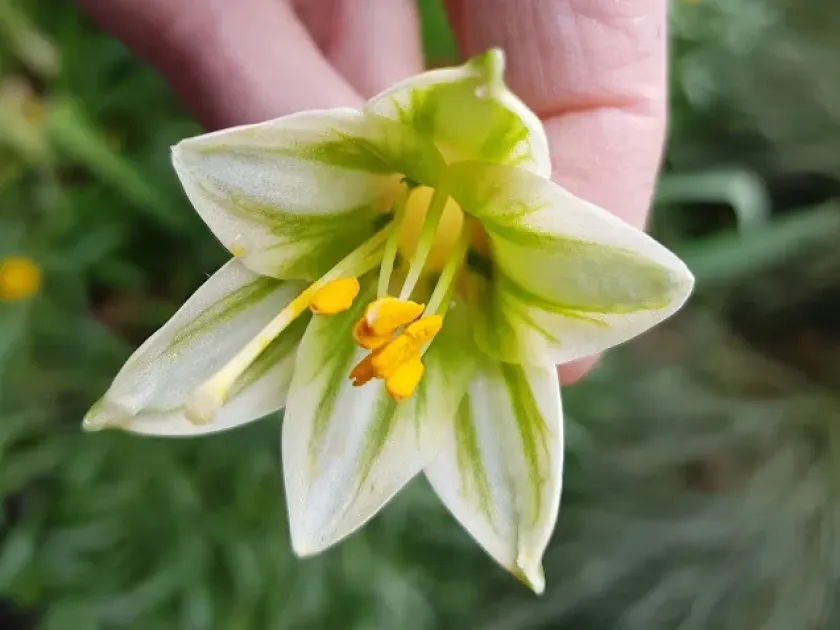
Description
Growing requirements
Clinanthus variegatus is a striking bulbous perennial belonging to the Amaryllidaceae family. Originating from the mountainous regions of South America, specifically Peru and Ecuador, this plant is well-adapted to rocky habitats with excellent drainage.
The plant is defined by its slender, strap-like leaves displaying a distinct variegated pattern. The bulb serves as the primary storage organ, enabling the plant to survive seasonal environmental changes typical of its native Andean habitat.
Successful cultivation requires a porous, well-draining soil mix that prevents water accumulation around the bulb. The species thrives in bright, indirect light, which is essential for maintaining the vibrancy of its variegated foliage and ensuring healthy development.
In temperate climates, it is typically managed as a container plant. Temperature control is vital, as the plant prefers moderate warmth during its active growth phase, generally between 20 and 25 degrees Celsius, followed by a cooler rest period.
Watering practices must be adjusted seasonally. During the growing season, consistent moisture is required, whereas, in the dormant period, water intake should be significantly reduced to mimic natural drought cycles and prevent rot.
Main diseases and pests
The primary threats to this species are fungal infections, such as Fusarium and bulb rot, which are often exacerbated by poor substrate drainage or stagnant water in the growing medium.
Insect pests include mealybugs and scale insects, which can colonize the foliage and leaf bases, causing stunted growth. Preventive monitoring and maintaining optimal air circulation are key to keeping the plants healthy.