
Crinum americanum
Crinum americanum
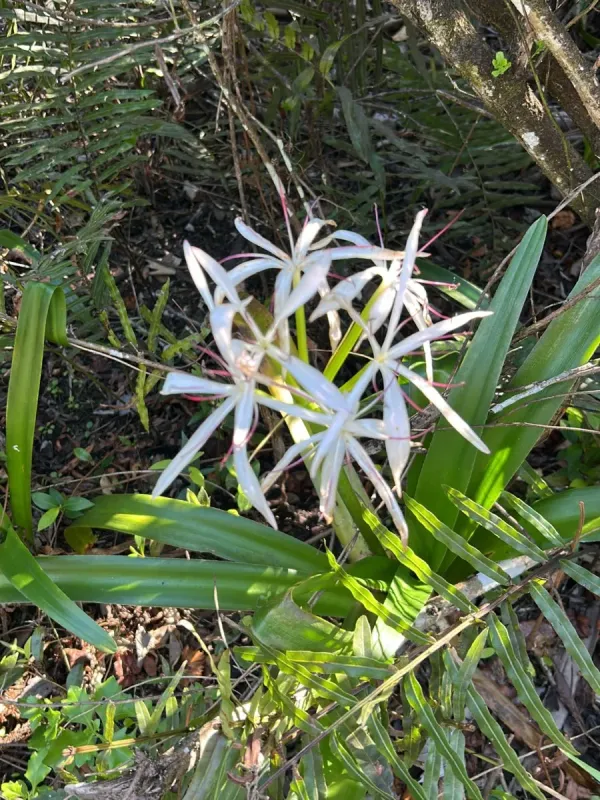
Description
Sowing dates
The propagation of Crinum americanum is primarily achieved through the separation of offsets, or daughter bulbs, which develop near the base of the parent plant.
The ideal time to divide the plant is during the dormant season, which allows the parent and the offsets to establish themselves before the new growth cycle begins.
When planting, it is crucial to position the bulb so that its neck remains above the soil surface, as burying it too deep increases the risk of rot.
Seed propagation is possible, though it requires immediate sowing as the seeds are fleshy and lose their viability rapidly if allowed to dry out.
Seedlings should be kept in a warm, humid environment with consistent moisture levels to ensure the development of a healthy root system during their first year.
Growing requirements
Crinum americanum, commonly known as the swamp lily, is a member of the Amaryllidaceae family and is native to wetland environments in the southeastern United States.
This species thrives in consistently moist, well-draining, yet rich organic soils; it is perfectly suited for planting along the margins of ponds or water features.
Exposure to full sun is preferred for optimal flowering, although the plant can tolerate partial shade, especially in regions with extremely intense solar radiation.
As a tropical and subtropical plant, it is not frost-tolerant and requires temperatures above freezing throughout the year to maintain its foliage and growth cycle.
During the growing season, generous watering is essential, and the plant benefits from regular applications of balanced liquid fertilizers to support its robust growth.
Main diseases and pests
The most persistent pest affecting swamp lilies is the lily borer or amaryllis borer, which can damage bulbs and stalks if not managed through routine inspections.
Fungal issues such as red blotch (Stagonospora curtisii) may occur under conditions of high humidity and poor air circulation, often leaving red spots on foliage.
Mealybugs are another common threat, hiding in the leaf axils and the scales of the bulbs, where they feed on plant sap and can weaken the specimen significantly.
Effective management involves maintaining clean garden hygiene, removing any decaying debris, and applying systemic insecticides if an infestation is detected.
Preventative care, including proper spacing and avoiding overhead watering during the evening, significantly mitigates the risk of common fungal diseases.