
Glottiphyllum linguiforme
Glottiphyllum linguiforme
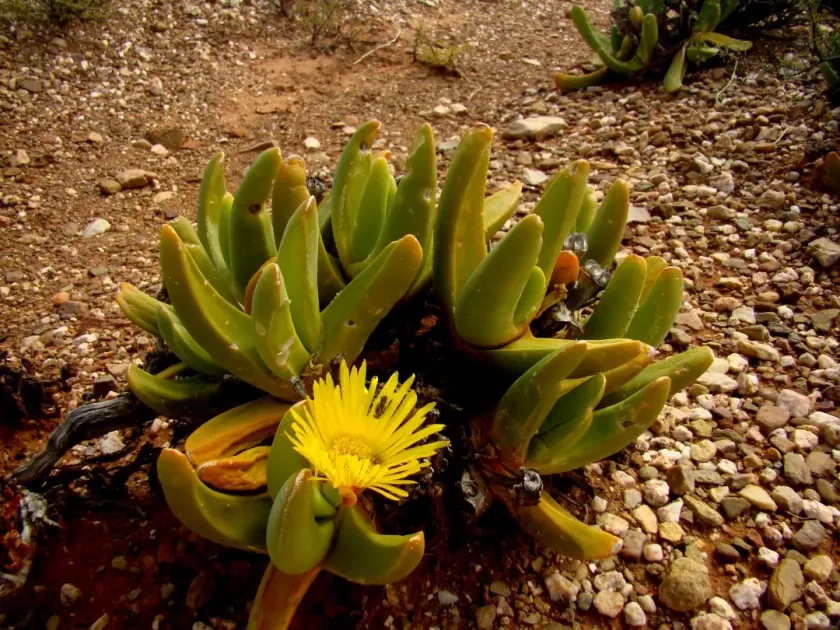
Description
Sowing dates
Propagation of Glottiphyllum linguiforme from seeds is most successful when performed in early spring as daylight hours increase. Optimal germination requires temperatures between 20–25°C and bright, indirect light.
Seeds should be sown superficially into a light, well-draining substrate composed primarily of horticultural sand and a small amount of potting soil. The surface should be lightly misted after sowing to ensure moisture.
Covering the containers with glass or plastic creates a stable microclimate necessary for germination. Daily aeration is essential to prevent the formation of mold and excessive condensation inside the seed tray.
Seedlings should be pricked out and transplanted into individual pots once they have developed their first two pairs of true leaves. Using small pots helps to minimize the risk of soil waterlogging.
Alternatively, the plant can be propagated by stem cuttings. Cuttings must be allowed to callous for several days in a shaded area before being inserted into damp sand for rooting.
Growing requirements
Glottiphyllum linguiforme belongs to the Aizoaceae family and is a succulent native to the arid regions of South Africa. It is characterized by its fleshy, tongue-shaped leaves that store water efficiently.
Providing sufficient light is the most critical requirement for this species. Without full sun exposure, the plant will become etiolated, lose its natural compact form, and become structurally weak.
The potting medium must be porous and provide excellent drainage. A specialized mix for cacti and succulents, containing at least 50% coarse sand or grit, is recommended to prevent root suffocation.
The plant thrives in summer temperatures ranging from 22–30°C. During the winter dormancy period, temperatures should be kept lower, ideally between 10–15°C, to prepare the plant for spring flowering.
Watering must be sparse, occurring only when the soil has completely dried out. During the winter, watering should be significantly restricted, keeping the soil almost dry to prevent rotting.
Main diseases and pests
Root and stem rot caused by overwatering is the primary threat to the health of Glottiphyllum linguiforme. Symptoms include tissue softening and discoloration, which quickly progress if the plant is not kept dry.
Pests such as mealybugs and spider mites are common problems. These insects feed on the sap and damage the epidermal layer of the leaves, creating entry points for secondary bacterial and fungal infections.
Management involves using systemic insecticides or carefully dabbing affected areas with an alcohol-based solution. Consistent monitoring is necessary to prevent these pests from spreading through the plant collection.
Poor ventilation and high humidity can lead to fungal spotting on the leaves. It is important to ensure good airflow around the plants and avoid any moisture accumulation on the leaf surfaces.
Preventative care relies on maintaining a strict dry cycle, using high-quality drainage holes, and ensuring the plant is never left in stagnant water for extended periods.