
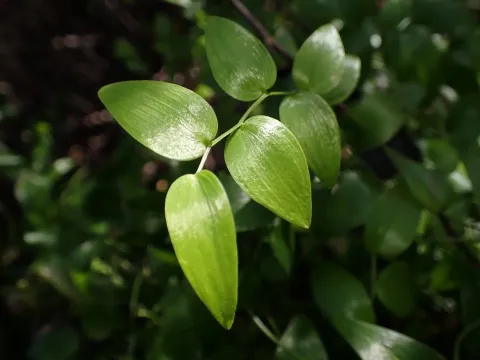
Asparagus asparagoides
Asparagus asparagoides
Sowing of this crop is best performed in early spring once the soil temperature is consistently above the freezing point, ensuring optimal germination rates.
What the section contains
Asparagus asparagoides
Seeds should be soaked in warm water for 24 hours prior to planting to soften the seed coat and encourage faster emergence of the young sprouts.
The seeds should be planted at a depth of 1 to 2 centimeters in a well-drained, nutrient-rich potting medium to facilitate strong root development.
When starting in a greenhouse, maintaining a steady temperature of around 20 degrees Celsius is crucial for consistent and healthy early-stage growth.
Once seedlings have developed their first true leaves, they should be carefully transplanted into larger individual containers to avoid root crowding.
Asparagus asparagoides belongs to the Asparagaceae family and is widely recognized for its delicate, climbing foliage and ornamental value in horticulture.
The plant thrives in bright, indirect light conditions; direct sunlight can scorch the foliage, while deep shade will result in stunted, leggy growth.
Optimal soil requirements include a loose, porous mixture with a slightly acidic to neutral pH, which allows for proper aeration and water drainage.
Consistent irrigation is required throughout the growing season, though care must be taken to prevent waterlogging, which can cause the tubers to rot.
Regular fertilization with a balanced, water-soluble fertilizer helps maintain the vibrant green color and density of the leaves during the peak growth months.
Root rot is the most significant disease threat, typically caused by overwatering or poor drainage systems in the container or planting bed.
Common pests include spider mites and scale insects, which can quickly overwhelm the plant, especially in warm and low-humidity environments.
Aphids often target the tender new growth, causing the stems to curl and inhibiting the overall development of the climbing branches.
Managing these threats involves maintaining good air circulation and inspecting the underside of the foliage regularly for any signs of pest infestation.
Integrated pest management, including the use of neem oil or insecticidal soaps, is highly effective for controlling minor outbreaks without harsh chemicals.
The commercial harvest focuses on the lush, green stems, which are highly valued in the floral industry for adding texture and elegance to bouquets.
Stems should be harvested when they have reached the desired length and the foliage is fully expanded, ensuring they are firm and free from damage.
After harvesting, the stems should be immediately placed in clean, cool water to maintain turgidity and extend their vase life for end-users.
Strategic pruning during harvest encourages the plant to produce more lateral shoots, which significantly increases the overall yield of the plant.
It is important to leave enough foliage on the plant after harvesting to ensure the roots can store sufficient energy for the next growing season.