
Asparagus dauricus
Asparagus dauricus
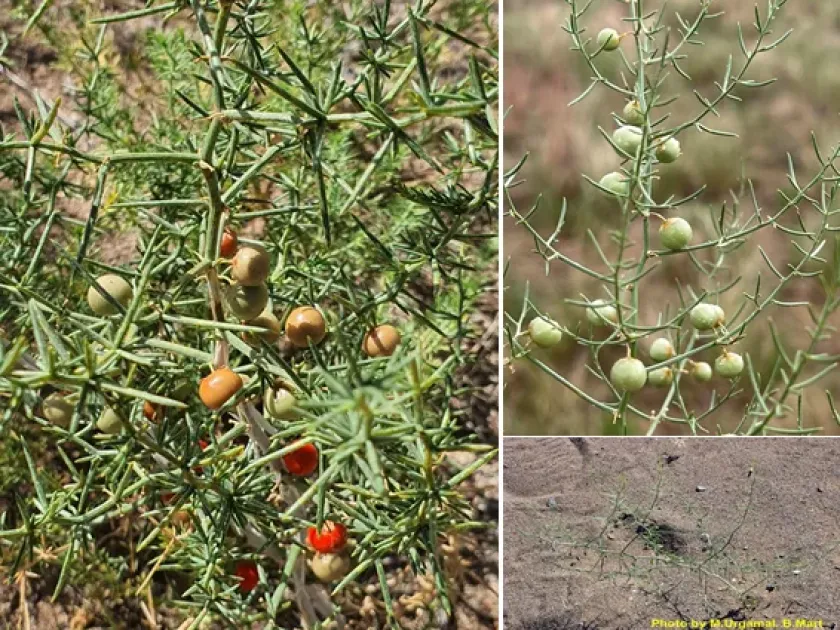
Description
Sowing dates
Asparagus dauricus is a perennial herbaceous plant belonging to the Asparagaceae family. Native to the harsh environments of the Russian Far East, Siberia, and parts of China, it has evolved to survive in varied, often nutrient-poor soils.
For propagation, seeds should be sown in early spring. They often require cold stratification to break dormancy and ensure a uniform germination rate. Using seed trays allows for controlled environments before transplanting to the field.
Vegetative propagation via root division is another common method used by growers. This involves digging up mature clumps, dividing the rhizome, and replanting the segments in prepared soil during the dormant season.
When sowing in the field, shallow planting at a depth of 2 to 3 centimeters is recommended. Consistent moisture must be maintained during the initial stages to support the establishment of the delicate seedlings.
Space the plants adequately to prevent competition for light and soil resources. Proper planning during the sowing stage ensures long-term viability, as the plant can remain productive on the same site for many years.
Growing requirements
This species thrives in sunny locations with high light intensity. Exposure to full sun is essential for the development of robust stems and the accumulation of energy reserves in the rhizome for winter survival.
The ideal soil is well-drained, loose, and slightly alkaline or neutral. Heavy clay soils should be avoided or amended with sand and organic matter to improve aeration, as stagnant water is detrimental to the plant's root health.
Asparagus dauricus is renowned for its cold tolerance. It is well-adapted to regions with significant temperature fluctuations, maintaining dormancy throughout the winter months and emerging vigorously in the spring.
Irrigation management is critical; the plant prefers a balance of moderate soil moisture during the growing season while requiring a drier environment during the winter to avoid rot. Drip irrigation is often the best solution.
Nutrition programs should focus on balanced NPK applications in the spring to promote leafy growth. Composting in the fall protects the roots from extreme temperature shifts and provides a steady supply of nutrients for the following year.
Main diseases and pests
Fungal pathogens such as rust are the primary threats to this plant. These diseases often present as spots on the foliage, which can lead to significant defoliation if left untreated by appropriate fungicides or cultural control.
Asparagus beetles are common insect pests that target the stems and leaves. Regular monitoring throughout the growing season helps in identifying infestations early, preventing widespread damage to the plantation.
Root rot, caused by various soil-borne organisms, is frequently linked to improper drainage. If a patch shows yellowing or stunted growth, it is crucial to inspect the roots for signs of discoloration and decay immediately.
Weeds are strong competitors for nutrients and space, especially in young plantings. Maintaining a clean cultivation area through mulch or mechanical weeding reduces the pressure from pests and diseases that harbor in weeds.
Proper harvest and hygiene practices, such as removing all dead plant material at the end of the season, are vital to breaking the disease cycle. This keeps the field clear of overwintering fungal spores and insect larvae.