
Asparagus horridus
Asparagus horridus
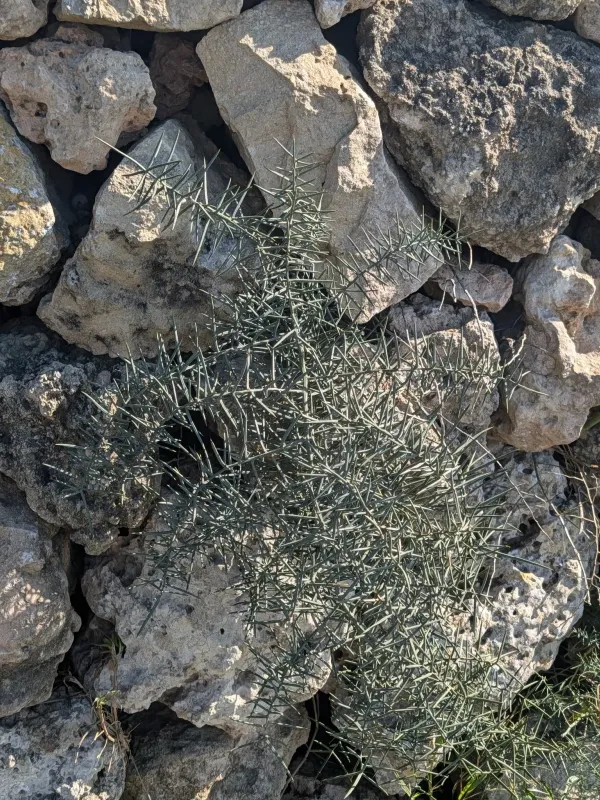
Description
Sowing dates
Asparagus horridus, commonly known as spiny asparagus, belongs to the Asparagaceae family. This perennial plant is well-adapted to its native Mediterranean environment and reproduces naturally through seeds that require stratification.
When cultivating from seed, it is essential to use high-quality, well-drained substrate. Seeds should be planted at a depth of approximately 1 to 2 centimeters in early spring when temperatures become consistently warm.
Germination can be a slow process, often taking several weeks. Maintaining consistent but moderate soil moisture is crucial, as waterlogged conditions will significantly reduce the success rate of sprouting.
Transplanting seedlings to their permanent location requires care due to the sensitive nature of the plant's root system. A spacing of at least 50 centimeters between plants is recommended to allow for full development.
Once established, the plant becomes quite hardy. In its initial year, it is vital to provide light shading if the sun is excessively intense, though mature plants prefer full sun exposure.
Growing requirements
This species thrives in arid and semi-arid climates, demonstrating excellent heat and drought tolerance. It is a classic xerophytic plant that prefers full sunlight to perform photosynthesis efficiently.
Regarding soil preference, Asparagus horridus grows best in light, sandy, or stony soils that offer superior aeration. Heavy, clay-rich soils should be avoided at all costs as they cause root rot.
The plant is highly adaptable to alkaline and neutral soil conditions. It does not require intensive fertilization, though a light dose of organic compost during the dormant season can support healthy growth.
Watering should be managed carefully. While mature plants are drought-resistant, occasional deep watering during the peak growing season will help maintain the vigor and quality of the tender shoots.
Protection from extreme frost is necessary for this species. In regions where temperatures drop significantly below zero, plants should be kept in pots or protected with mulch to insulate the roots.
Main diseases and pests
The most common threat to Asparagus horridus is fungal rot, specifically phytophthora, which strikes when the soil remains too wet for extended periods. Proper drainage is the ultimate preventative measure.
Pests such as aphids and asparagus beetles can damage the young shoots. Regular scouting of the plantation is required to detect early infestations before they cause widespread leaf and stem damage.
Spider mites may appear during periods of low humidity and high temperature. Increasing ventilation or applying mild horticultural soaps is often sufficient to manage these populations without harmful pesticides.
Rust disease can affect stems, causing discolored spots. To mitigate this risk, remove all old, dead debris at the end of the harvest season to ensure that the plantation remains clean and disease-free.
Maintaining a balanced ecosystem on the farm, including the use of companion plants, helps manage potential pest populations naturally and supports the overall health of the Asparagus horridus crop.
Harvesting
The harvesting of Asparagus horridus requires specific techniques due to the sharp spines that protect the plant. Wearing thick protective gloves is essential for the harvester's safety.
The edible part of the plant consists of young, tender shoots. These are harvested when they are between 15 and 20 centimeters long, ideally before the foliage begins to open and turn woody.
Harvesting is performed by cutting the shoots at the base with a sharp tool. This process encourages the plant to produce more shoots from the healthy rhizomes, extending the overall harvest window.
Post-harvest management is critical, as the shoots tend to dehydrate rapidly. They should be immediately placed in a cool, humid environment or refrigerated to preserve their flavor and texture for culinary use.
This species is a prized local delicacy in many parts of the Mediterranean, often prepared in omelets or soups. Its unique flavor profile is highly valued by chefs seeking authentic regional ingredients.