
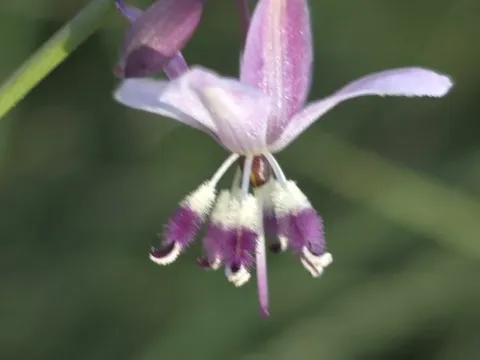
Arthropodium
Arthropodium R. Br.
Arthropodium is a genus of herbaceous perennial plants belonging to the family Asparagaceae. Native to Australia, New Zealand, and parts of the Pacific, these plants naturally thrive in diverse environments, ranging from dense forests to rocky outcrops and grassy slopes.
What the section contains


Arthropodium
Botanically, Arthropodium is characterized by its fleshy rhizomes or tuberous roots, from which narrow, strap-like leaves emerge to form a dense rosette. The plant produces delicate, often fringed flowers arranged in panicles, which are highly valued for their unique aesthetic and graceful appearance.
Successful cultivation of Arthropodium requires well-drained, fertile soil that mimics its natural habitat. It is crucial to ensure that the growing medium does not retain excessive water, as the plant's tubers are prone to rot if kept in continuously saturated conditions.
The plant prefers partial shade or dappled sunlight, which protects its delicate foliage from scorching in intense summer heat. While some species show moderate cold tolerance, they generally perform best in temperate climates and may require protection or mulching during severe winter frosts.
In terms of usage, Arthropodium is primarily cultivated as an ornamental plant in landscape design and private gardening. Its ability to add texture and subtle color to woodland borders or rockeries makes it a popular choice for gardeners seeking to incorporate native-style aesthetics into their landscapes.
Fungal pathogens associated with overwatering represent the most significant threat to the health of Arthropodium. Root rot typically develops when the drainage is insufficient, leading to rapid decline and potential death of the plant specimens if not addressed promptly.
Pests such as slugs and snails are highly attracted to the succulent foliage of Arthropodium, especially during moist spring weather. These gastropods can cause significant defoliation if left uncontrolled in the garden bed.
To prevent pest damage, integrated pest management practices should be employed, such as using physical barriers or organic baits around the base of the plants. Regular monitoring of the foliage ensures that any early signs of infestation are identified before significant damage occurs.
Disease prevention is largely dependent on proper cultural practices, including strategic spacing to allow for adequate airflow and avoiding overhead irrigation. Sanitizing garden tools and removing dead leaves help minimize the presence of fungal spores in the growing environment.
Overall, maintaining optimal soil moisture levels and ensuring proper site selection are the best defensive strategies against both common pests and diseases, ensuring the longevity and health of the planting.