
Asparagus declinatus
Asparagus declinatus
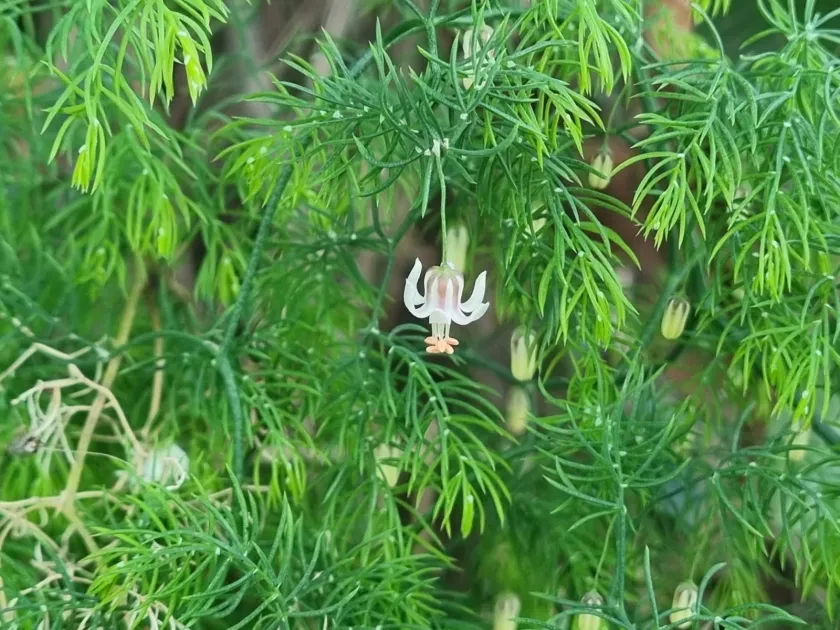
Description
Growing requirements
Asparagus declinatus is a perennial herb belonging to the Asparagaceae family. Native to South Australia, this species is well-adapted to sandy, arid environments, making it a specialized plant that differs significantly from common culinary asparagus varieties in terms of habitat and growth structure.
The plant is characterized by its drooping or reclined stems, which provide it with a distinct appearance compared to its upright relatives. It possesses a well-developed root system with tuberous storage organs, which allow the plant to store nutrients and endure periods of low water availability in its natural range.
Regarding soil requirements, this species demands exceptionally well-drained, porous media. Heavy clay soils are generally unsuitable as they promote root rot. Sandy loams with a neutral pH provide the best foundation for root development and overall plant health in a garden or nursery setting.
Climate preferences for Asparagus declinatus include temperate zones with plenty of direct sunlight. It thrives in positions where it can receive at least six hours of light daily. While it can withstand moderate temperature fluctuations, it performs best in climates that mimic the stable, Mediterranean-like patterns of its native habitat.
In terms of usage, this plant is primarily kept for ornamental and botanical study purposes rather than commercial food production. Its unique structural growth and resistance to dry conditions make it a valuable candidate for xeriscaping or specialized landscape projects in arid regions.
Main diseases and pests
Pathogenic fungi pose the most significant threat to this species, particularly in cases of over-irrigation. Root rot and damping-off can devastate a collection if the soil moisture levels are not strictly managed. Proper drainage is the primary defense against these soil-borne pathogens.
Pests such as asparagus beetles and various species of aphids can affect the succulent growth. These insects can cause stunted development and unsightly damage to the cladodes, which significantly degrades the aesthetic value of the plant if left unchecked during the peak growing season.
Integrated pest management (IPM) is recommended for maintaining healthy populations. This includes using physical barriers, hand-picking larger pests, and, when necessary, utilizing targeted chemical applications that are safe for the surrounding environment and beneficial insects.
Sanitation practices are essential for preventing the spread of disease within the planting site. Clearing debris from the base of the plant and ensuring adequate space between individuals helps maintain air circulation, which naturally suppresses fungal growth and humidity-related issues.
Regular fertilization with organic, slow-release minerals strengthens the plant's natural defenses. Providing the correct balance of nutrients ensures vigorous growth, making the plant less susceptible to environmental stress and secondary infections throughout the year.