
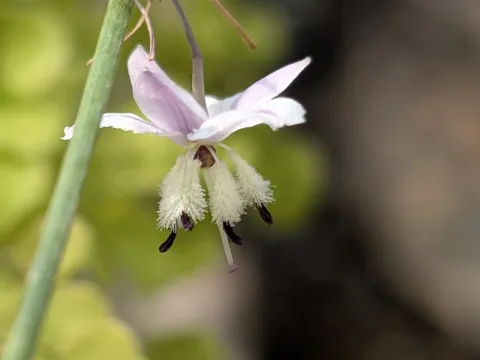
Arthropodium
Arthropodium
Propagation of Arthropodium is primarily achieved through seeds or vegetative division of the rootstock. Sowing seeds in spring, using a light, well-draining substrate, ensures optimal germination rates in a controlled greenhouse environment.
What the section contains


Arthropodium
When sowing, seeds should be covered only lightly, as they require access to light to germinate effectively. It is crucial to maintain consistent soil moisture and a temperature range of 18-20 degrees Celsius until the first seedlings emerge.
Vegetative division is best performed during the plant's dormancy phase, typically in early spring before the start of the active growth period. This method allows for the preservation of parental traits and results in more mature specimens.
During the transplanting process, care must be taken to ensure the root crown remains level with the soil surface. This technique prevents stem rot, especially during periods of high humidity early in the growing season.
Young plants require regular watering for the first few months after being planted in their permanent location. Once established, the culture becomes more resilient and can withstand short-term drought conditions.
Arthropodium belongs to the Asparagaceae family and is native to regions of Australia and New Zealand. The culture prefers partial shade or bright areas that are protected from intense, direct midday sun.
Regarding soil conditions, the plant thrives in loose, fertile soils with a neutral to slightly acidic pH. A critical requirement is excellent drainage, as the plant cannot tolerate waterlogged soils, particularly in heavy clay environments.
In colder regions, the culture requires winter protection or must be grown in containers that can be moved indoors during frost. The plant is sensitive to drastic temperature fluctuations and severe freezing conditions.
The optimal temperature range for active growth is between 15 and 25 degrees Celsius. During the winter dormancy period, the plant needs cool conditions to encourage the development of future flower buds.
Regular fertilization with balanced mineral fertilizers during the active growth phase promotes more profuse flowering. It is important to avoid excess nitrogen, which can lead to excessive foliage growth at the expense of floral display.
The primary threat to Arthropodium is soil saturation, which leads to root and stem rot. To prevent these issues, it is essential to follow a strict watering schedule and ensure adequate aeration of the substrate.
Among common pests, aphids and spider mites are frequently encountered, particularly when the plants are grown in sheltered environments or in air with low humidity. Early detection allows for effective management using standard insecticides.
Mealybugs can also infest the leaves, sapping nutrients and hindering the plant's development. Regular inspection of the foliage helps identify infestations early and allows for necessary treatment.
Occasional fungal leaf spot diseases may appear due to poor cultivation practices or excessive moisture. Prevention strategies include removing affected plant parts and applying fungicides if symptoms persist.
Overall plant health depends on cultivation hygiene: keeping tools clean, using high-quality substrate, and regularly clearing the area of plant debris, which can harbor pathogens and encourage infection.
The primary economic and practical use of Arthropodium is for ornamental landscaping, parks, and indoor plant displays. The inflorescences have high aesthetic value and remain fresh for long periods when used as cut flowers.
The harvesting of stems for vases is best performed in the morning, just as the buds begin to open, ensuring the maximum vase life. Use sharp, sterilized tools to ensure clean cuts and minimize trauma to the root system.
In landscape design, this culture is valued for its elegant panicles and attractive foliage. It integrates perfectly with other shade-tolerant plants, creating multi-layered compositions in gardens and conservatories.
Historically, the edible roots and rhizomes were used by indigenous peoples of Australia due to their starch content. In modern agricultural practice, this aspect is regarded as having historical and ethnographic significance rather than commercial utility.
After the flowering cycle is complete, sanitary pruning of spent flower stalks is necessary. This practice helps the plant redirect energy toward root system development and preparation for the subsequent growth cycle.