
Asparagus climbing
Asparagus scandens
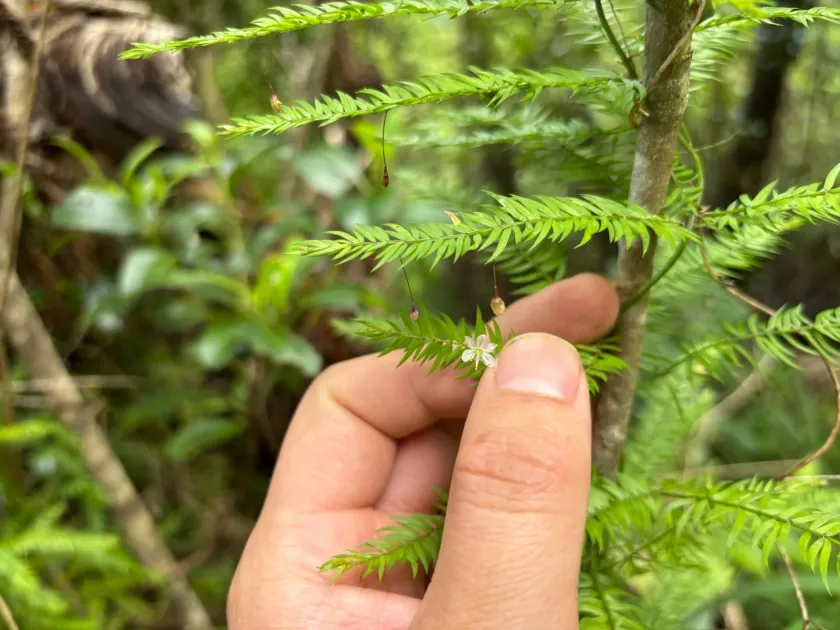
Description
Growing requirements
Asparagus scandens, commonly known as climbing asparagus, is a perennial plant species within the Asparagaceae family. Originating from New Zealand, it has adapted to temperate forest ecosystems and sheltered shaded habitats.
The plant is characterized by its slender, scrambling stems and fine, needle-like cladodes that perform photosynthetic functions. It produces small, white to pinkish flowers followed by red berries, which serve as a means of reproduction in wild environments.
Cultivation requires environments with consistent temperature control, ideally between 18°C and 22°C. It is intolerant to frost and requires greenhouse or indoor management in non-native climates.
Soil composition must be rich in organic matter and possess excellent drainage properties. A pH range of 6.0 to 7.0 is typically ideal, ensuring nutrient availability for healthy vine growth.
Watering requirements are consistent with moisture-loving plants; however, saturation must be avoided to prevent root asphyxiation. Irrigation should be adjusted based on seasonal light levels and ambient humidity.
Main diseases and pests
Major pests affecting this crop include spider mites, aphids, and scale insects. These organisms thrive in dry environments and can quickly colonize the delicate foliage of the climbing asparagus.
Fungal pathogens such as root rot and Fusarium wilt represent significant threats. These diseases are usually associated with poor drainage, waterlogged soil, and insufficient air circulation.
Integrated Pest Management (IPM) strategies are recommended. This includes the use of biological controls, such as beneficial predatory mites, and the application of targeted horticultural oils.
Sanitation practices, including the removal of dead plant tissue and maintaining clean cultivation surfaces, are essential for preventing the buildup of pathogen spores.
Routine inspection of the under-surface of cladodes is advised. Early detection of pest infestations allows for spot-treatment, minimizing the need for systemic chemical applications.