
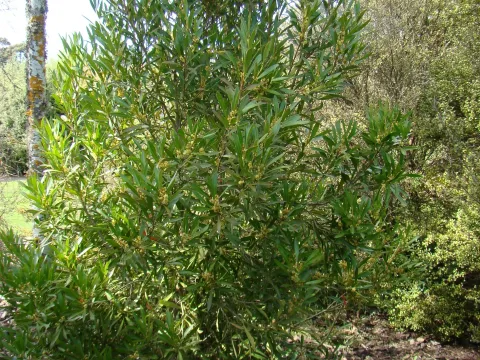
Toronia
Toronia
Propagation of Toronia is typically achieved through seeds or semi-hardwood cuttings, requiring careful preparation to ensure successful germination and rooting.
What the section contains

Toronia
Seeds often benefit from cold stratification to overcome dormancy, a process that mimics natural seasonal changes and improves overall vitality.
When sowing, use a well-draining, sterile potting medium and place the containers in a warm, sheltered environment with bright, indirect light.
Cuttings should be taken during the active growth phase and treated with a rooting hormone to encourage the development of a healthy root system.
Seedlings and young plants must be protected from extreme temperature fluctuations during their initial growth stages to ensure long-term survival.
Toronia (Toronia toru), a member of the Proteaceae family, is native to the diverse landscapes of New Zealand and requires specific environmental conditions to thrive.
The plant performs best in a sunny, well-lit position, although it appreciates some protection from intense afternoon heat in warmer climates.
Soil composition is critical; it must be acidic to neutral in pH and possess excellent drainage properties to prevent root suffocation and fungal diseases.
As a frost-sensitive plant, Toronia requires protection during winter in colder regions, often necessitating indoor cultivation or the use of protective structures.
Adequate air circulation is essential for the health of the foliage, as stagnant air can encourage the development of various pathogens and pests.
Toronia is primarily cultivated for its ornamental value in landscaping, prized for its evergreen nature and distinctively shaped, attractive leaves.
In a horticultural setting, it serves as an excellent focal point or a unique structural element in gardens designed for exotic or native plant collections.
While the fruit is not a significant agricultural crop, the plant contributes to local biodiversity by providing food sources for native wildlife in its habitat.
Small-scale artisanal use of the timber has been noted for its decorative grain, though this is secondary to its primary role in nursery production.
Commercial potential lies in the production of high-quality specimens for the ornamental nursery market, where rare and unique species are highly sought after.
Root rot is the most significant threat to Toronia, particularly when soil moisture levels are not carefully managed or drainage is inadequate.
Insects like scale or aphids can cause damage by feeding on the sap, potentially weakening the plant if infestations are not addressed promptly.
Monitoring for signs of nutrient deficiencies, such as yellowing leaves, is crucial for maintaining the vigor and health of the shrub throughout the year.
Good cultural practices, including consistent sanitation and the removal of dead tissue, are effective preventive measures against major pests and diseases.
- Root and crown rot
- Scale insect infestations
- Nutrient-related chlorosis
Harvesting for propagation purposes requires timing the collection of seeds to coincide with full maturity, ensuring viability for future planting seasons.
Pruning should be performed after the main flowering or growth period to maintain the desired shape and size, which also improves the plant's structural integrity.
When collecting seeds, ensure they are thoroughly cleaned and stored in cool, dry conditions to maintain their potential for germination in the future.
Regular maintenance, including the removal of spent foliage and clearing debris from the root zone, helps keep the plant healthy and prevents disease outbreaks.
Precise handling and the use of clean tools are necessary during any harvest or pruning activity to minimize stress on the plant and prevent infections.