
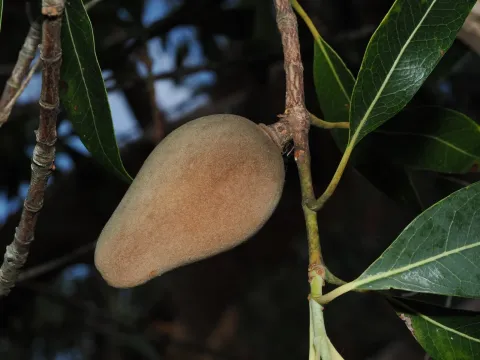
Xylomelum
Xylomelum
Xylomelum, commonly known as the "woody pear," belongs to the family Proteaceae. These are evergreen trees or shrubs native primarily to the eastern and northern regions of Australia, where they thrive in specific environmental niches.
What the section contains


Xylomelum
The culture requires specific conditions typical of subtropical and warm temperate climates. It prefers sunny, well-lit locations, as shade significantly retards its development and results in less intensive flowering periods throughout the growing cycle.
Soil requirements necessitate a well-drained substrate with low phosphorus levels. Like many members of the Proteaceae family, Xylomelum utilizes specialized cluster roots, which allow the plant to efficiently absorb nutrients from nutrient-poor soil profiles.
From an agronomic perspective, it is critical to prevent waterlogging, which quickly leads to fungal infections. While the plant shows moderate drought tolerance once the root system is established, it requires consistent monitoring of moisture levels during its early stages.
The primary use of Xylomelum is in ornamental gardening and the collection of unique botanical specimens. Its fruits, characterized by a distinct woody shape, are highly valued in floristry for creating decorative arrangements and sustainable interior designs.
The most significant threats to this culture are pathogens that attack the root system due to improper irrigation. Root rots, specifically those caused by Phytophthora species, represent the greatest danger to specimens grown in poorly drained soils.
Pests such as mealybugs and scale insects may infest leaves and young shoots, depleting the plant's resources. Implementing integrated pest management strategies, including biological controls and regular canopy inspections, is essential for maintaining plant health.
Micronutrient deficiencies, particularly iron, may lead to chlorosis of the foliage. Regular testing of soil pH is vital, as improper mineral fertilization can easily lead to nutrient imbalances that manifest in yellowing leaves and reduced growth.
Mechanical injuries to the trunk or branches can facilitate the entry of secondary infections, necessitating the use of clean tools during any pruning process. Stress factors must be minimized to ensure the plant remains robust against various insect populations.
Ongoing agronomic monitoring of the plantation allows for the early detection and management of disease outbreaks. Preventive measures include maintaining adequate soil aeration and ensuring an optimal microclimate balance within the growing environment.