
Stenocarpus
Stenocarpus
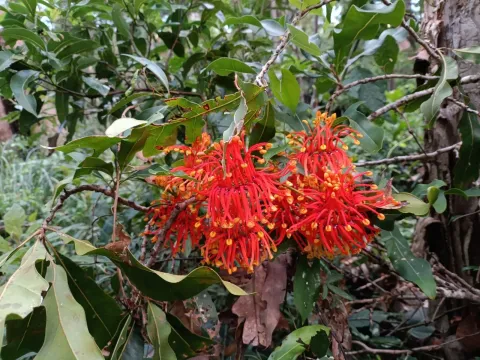
Stenocarpus is a genus of evergreen trees and shrubs belonging to the Proteaceae family. Native to Australia and the Pacific Islands, these plants are renowned for their unique, often wheel-shaped floral structures that make them highly prized in ornamental horticulture.
What the section contains


Stenocarpus
The plant thrives in warm, humid climates and is extremely sensitive to low temperatures. Successful cultivation requires a controlled environment such as a greenhouse or conservatory, as the species cannot tolerate frost.
Soil requirements for Stenocarpus include excellent drainage and a slightly acidic composition. In a controlled setting, a mix of peat, perlite, and pine bark is often used to mimic the natural forest floor conditions and prevent waterlogging.
Optimal growth is achieved with bright, filtered sunlight. While mature specimens may tolerate more exposure, young plants require protection from direct, scorching rays to prevent foliar damage and maintain healthy development.
Maintenance involves precise irrigation management. Water quality is critical; the use of deionized or rainwater is recommended to avoid the buildup of minerals that Proteaceae species are particularly sensitive to over time.
Common pests affecting Stenocarpus include mealybugs and scale insects. These pests tend to congregate in the axils of the leaves, making them difficult to detect until an infestation is well established.
Root rot caused by Phytophthora species is the most severe threat to the plant's health. It typically occurs when soil moisture levels remain too high, preventing proper aeration and causing the root system to decline rapidly.
Spider mites can become a significant issue in low-humidity environments. Regular foliage misting and maintaining adequate airflow around the plant canopy are effective deterrents against these pests.
Nutrient toxicity, specifically related to phosphorus, is a unique physiological threat. Fertilizer regimes must be strictly monitored, as high phosphorus levels can cause severe toxicity symptoms in plants belonging to the Proteaceae family.
Fungal leaf spots can develop if humidity is excessively high without corresponding air movement. Proper spacing between plants and the use of preventive fungicides can help maintain the integrity of the foliage.