
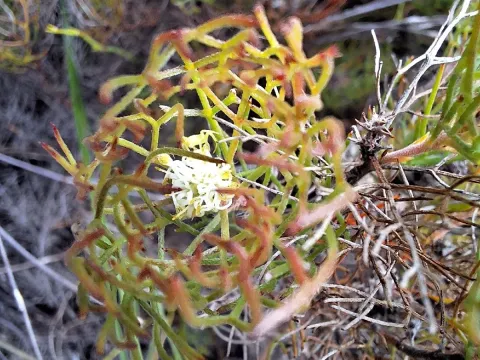
Serruria
Serruria
Serruria, commonly known for the Serruria florida species, is primarily propagated through seeds that require specific physiological activation.
What the section contains


Serruria
Commercial growers often use smoke-water treatment to break seed dormancy, as this mimics the natural fire cycle found in its native Cape habitat.
Seeds should be sown in autumn, taking advantage of the natural cooling cycles that signal the plant to initiate germination and root development.
Vegetative propagation via semi-hardwood cuttings is an alternative method, requiring sterile rooting media and careful humidity control to succeed.
Uniform germination rates are difficult to achieve without professional equipment, so precise monitoring of ambient temperatures is highly recommended.
As a member of the Proteaceae family, Serruria requires acidic, nutrient-poor soil with a very low phosphorus tolerance to remain healthy.
The planting substrate must be extremely well-draining, as the root systems of these plants are highly susceptible to fungal rot in waterlogged conditions.
The plant thrives in regions with Mediterranean-style climates, requiring cool, damp winters and dry, sunny summers for optimal vegetative growth.
In temperate zones, greenhouse cultivation is mandatory, providing full spectrum light and high air circulation to prevent moisture-related diseases.
Avoid any fertilizers containing high levels of phosphorus, as this element is toxic to most Proteaceae and can cause rapid foliage chlorosis.
Root rot caused by Phytophthora species is the most devastating threat to commercial Serruria plantations, often leading to total crop loss.
Powdery mildew represents a significant risk in greenhouse environments where humidity levels are not strictly managed through ventilation.
Pests such as mites and aphids can infest the delicate flower heads, damaging their market value and necessitating Integrated Pest Management (IPM) strategies.
Regular inspection of the root zone and leaf undersides is essential for early detection of potential outbreaks before they spread throughout the nursery.
Cultural practices such as removing debris and ensuring adequate spacing between plants significantly reduce the likelihood of pathogen transmission.
Harvesting for the florist market occurs when the flower heads are showing color but before the individual florets have fully opened.
Stems must be cut using sterilized shears to prevent the introduction of pathogens, leaving enough foliage to support the plant's ongoing health.
Immediately after cutting, stems should be placed in clean, cool water to maintain turgor pressure and extend the vase life of the exotic blooms.
Grading standards emphasize stem length, bloom maturity, and the absence of insect or disease blemishes on the leaves and bracts.
Maintaining a cold chain during transport is critical, as high temperatures significantly accelerate the aging process of these sensitive floral products.