
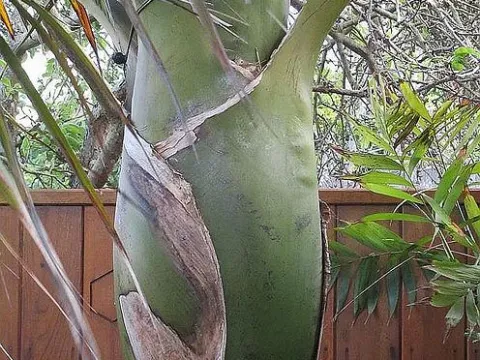
Rhopalostylis
Rhopalostylis
Rhopalostylis is a genus of elegant palms within the Arecaceae family. Native to New Zealand and nearby islands, these palms are known for their distinct feather-like foliage and unique growth habits in temperate rainforest environments.
What the section contains


Rhopalostylis
The cultural requirements for this palm focus on mimicking its natural habitat. It thrives in bright, filtered light and requires protection from harsh, direct sunlight which can easily scorch the mature leaves.
Soil management is crucial for the health of Rhopalostylis. It requires a well-draining, nutrient-rich potting mix that remains moist but never waterlogged; a blend containing peat moss, perlite, and organic bark is typically recommended.
Climate control is essential as this species prefers cool to moderate temperatures. It does not tolerate freezing conditions well, nor does it thrive in consistently high temperatures, making it a sensitive plant for cultivation.
Regular maintenance includes consistent watering and high humidity levels. During the active growing season, applying a balanced, slow-release fertilizer will support the structural development and deep green color of the fronds.
Spider mites are a primary concern for Rhopalostylis, especially when the plant is kept in low-humidity environments. They rapidly colonize the undersides of leaflets, leading to discoloration and eventual leaf drop.
Scale insects present a significant challenge by attaching themselves to the stems and leaf bases. These pests extract plant sap and excrete honeydew, which often encourages the growth of sooty mold.
Root rot, caused by various pathogens such as Phytophthora, frequently occurs in poorly drained soils. Overwatering is the most common cause of this lethal condition for the palm.
Mealybugs can often hide in the tight crevices of the crown. Early detection and the application of horticultural oils or appropriate systemic insecticides are vital for successful control.
To prevent these threats, maintaining optimal air circulation and avoiding overhead watering—which can trap moisture in the crown—are standard and effective agronomic practices.