
Norfolk Island palm
Rhopalostylis baueri
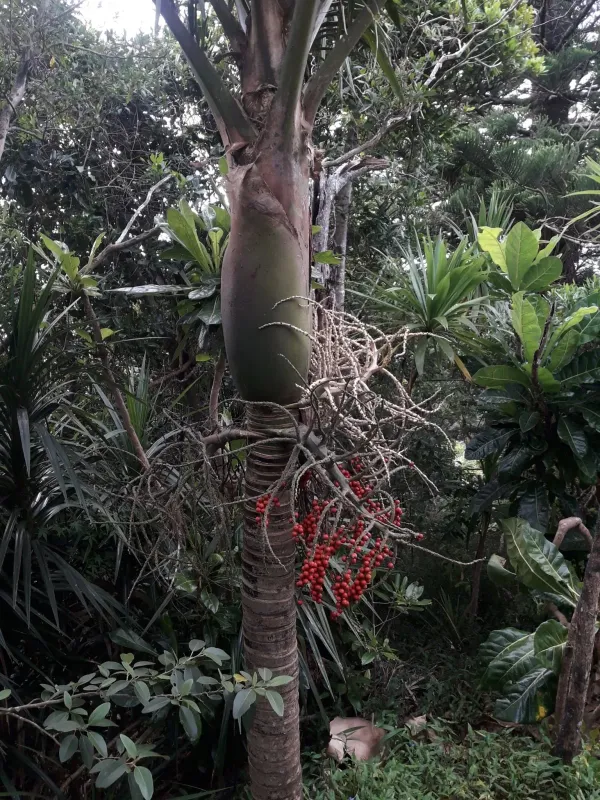
Description
Sowing dates
Propagation of the Norfolk Island palm is primarily achieved through seeds. Fresh seeds should be sown in a light, well-draining potting medium, ensuring consistent warmth and humidity for successful germination.
The germination process is notably slow and can take several months, requiring the substrate to be kept moist but not waterlogged to prevent seed rot.
Seedlings should be kept in a shaded environment during their early growth stages to mimic the natural understory conditions of their native habitat.
Careful handling is crucial during transplantation, as the root system of young palms is fragile and prone to transplant shock if disturbed excessively.
Using a high-quality peat-based mix with added perlite or volcanic rock provides the necessary aeration for root development, which is critical during the seedling stage.
Growing requirements
Belonging to the Arecaceae family, Rhopalostylis baueri originates from Norfolk Island and the Kermadec Islands. It is a slow-growing, elegant palm that thrives in subtropical environments.
The species prefers filtered light or partial shade, as intense direct sunlight can damage the foliage. Consistent temperatures between 18 and 24 degrees Celsius are ideal for year-round growth.
Soil requirements include a slightly acidic to neutral substrate with excellent drainage capabilities to ensure the roots do not remain saturated for long periods.
High relative humidity is essential for the health of the fronds; in indoor environments, this can be managed through frequent misting or the use of automated humidifiers.
Regular fertilization with a balanced, slow-release palm fertilizer during the growing season supports healthy frond production and structural integrity of the trunk.
Main diseases and pests
Common pests include scale insects and spider mites, which can proliferate quickly in dry indoor air, leading to yellowing or stunted leaf growth.
Root rot is the most significant disease threat, typically caused by poor drainage or overwatering, which creates anaerobic conditions unsuitable for palm health.
Integrated pest management, including regular inspection and the use of targeted horticultural soaps or oils, is effective in maintaining the plant's health.
Leaf spot fungi can occasionally occur in high-humidity, poorly ventilated areas; addressing airflow and maintaining proper spacing can significantly reduce this risk.
Maintaining the cleanliness of the foliage by wiping leaves with a damp cloth prevents dust accumulation and reduces the harbor for potential pests.