
Nikau palm
Rhopalostylis sapida
Description
Growing requirements
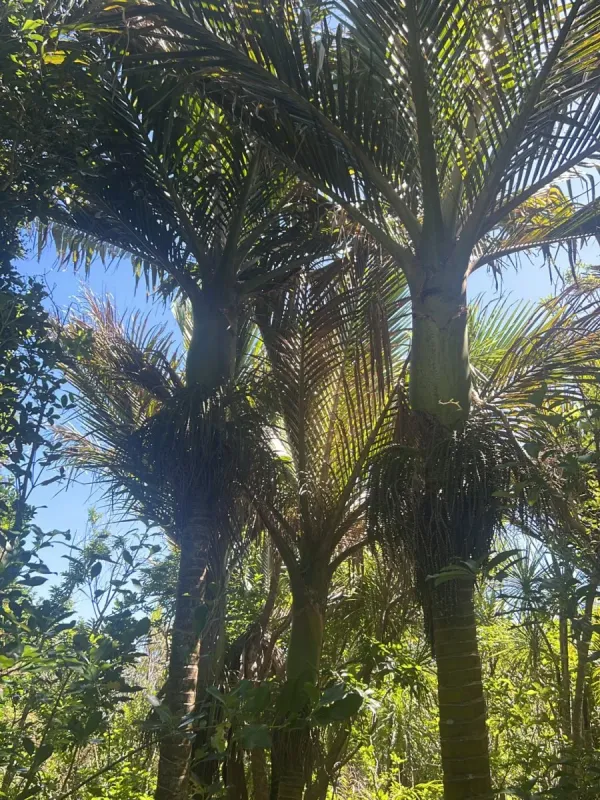
The Nikau palm (Rhopalostylis sapida) is a unique palm species belonging to the Arecaceae family, native to the temperate forests of New Zealand, serving as the southernmost palm species in the world.
This crop thrives in cool, humid conditions and requires a sheltered location protected from strong, drying winds which can damage its pinnate fronds.
Cultivation success depends heavily on the soil structure, which must be fertile, well-draining, and rich in organic matter to mimic its natural forest floor habitat.
Young plants are highly shade-tolerant, requiring protection from direct sunlight, while mature specimens can tolerate brighter, filtered light conditions.
Economically, the Nikau palm is widely used as a prestigious ornamental plant in landscaping and greenhouse cultivation, appreciated for its architectural form and slow growth rate.
Main diseases and pests
Mealybugs and scale insects represent the most common pests that infest the crown of the plant, often hiding in the dense foliage and leaf bases.
Root rot, caused primarily by Phytophthora species, often occurs when the soil remains waterlogged, hindering the oxygen supply to the roots.
Spider mites can become a significant issue during periods of low air humidity, particularly for indoor or greenhouse-grown specimens.
Fungal leaf spot diseases may appear if the environmental conditions are too stagnant, creating a breeding ground for pathogens due to excess humidity.
To mitigate these threats, growers should practice integrated pest management, ensuring optimal ventilation and avoiding overhead irrigation during cooler months.