
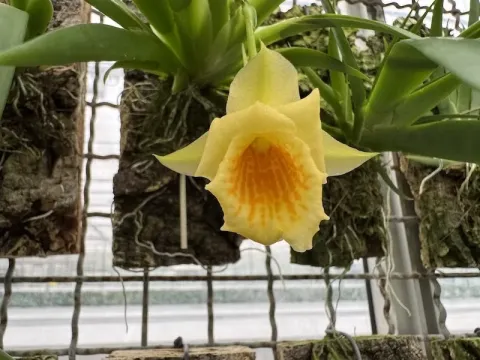
Plectrophora
Plectrophora
Plectrophora is a genus of small-sized epiphytic orchids belonging to the Orchidaceae family. These plants are native to the tropical forests of Central and South America, where they thrive in high-humidity environments attached to tree branches.
What the section contains

Plectrophora
The botanical structure of Plectrophora consists of small, compact pseudobulbs that typically produce a single narrow leaf. As epiphytes, they lack a traditional soil-based root system, instead utilizing specialized velamen tissue to absorb moisture from the air.
To cultivate these orchids successfully, one must replicate their natural tropical habitat. This requires high relative humidity levels, ideally maintained between 70% and 80%, accompanied by consistent air circulation to prevent fungal growth.
Temperature requirements are consistent with an intermediate-warm greenhouse climate. Ideal daytime temperatures range from 22 to 26 degrees Celsius, with a necessary drop at night to encourage vegetative and floral development.
The substrate must be extremely well-draining, as the roots are sensitive to waterlogging. Standard potting mixes include premium grade fir bark, perlite, and long-fiber sphagnum moss to ensure optimal aeration and moisture retention.
Fungal infections represent the primary threat to the health of Plectrophora. When water remains trapped in the leaf axils or the substrate stays soggy for too long, the plant quickly becomes susceptible to rot and necrosis.
Common pests include spider mites and mealybugs, which are often introduced when the plant is kept in environments with poor ventilation and low humidity. These pests suck the plant's juices, leading to yellowing and growth retardation.
Viral pathogens pose a significant risk, as they are easily transmitted through contaminated cutting tools. Strict adherence to sanitation protocols is necessary when dividing or pruning the plants to prevent the spread of infection.
Root damage can occur due to the accumulation of mineral salts from hard water or excessive fertilizer application. Regular flushing of the substrate with pure water is recommended to prevent chemical burns on the sensitive root tips.
Finally, improper exposure to intense ultraviolet rays leads to leaf scorch, which irreversibly damages the tissue. Providing filtered, indirect light is essential for maintaining the health and longevity of the Plectrophora orchid.