
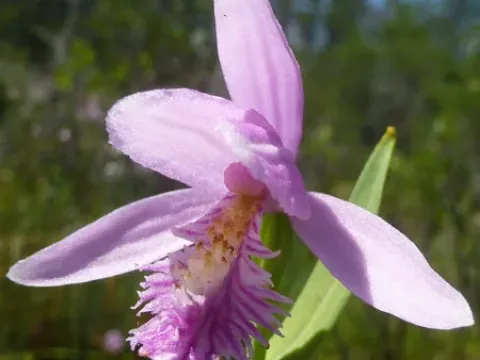
Pogonia
Pogonia
Pogonia is a genus of perennial herbaceous plants belonging to the Orchidaceae family. These plants are highly regarded by botanists and specialized collectors for their unique floral structure and the delicate beauty of their blossoms, often referred to as beard orchids.
What the section contains


Pogonia
The native range of this genus includes temperate and subtropical regions of North America and East Asia. They typically thrive in moist, acidic environments such as wetlands, bogs, and damp meadows, where they can access consistent soil moisture throughout their growth cycle.
Botanically, the genus is defined by its creeping rhizomes and singular flowers featuring a distinctively crested lip, which serves as a pollination mechanism. Their narrow foliage is adapted to filtered light conditions, making them sensitive to direct, high-intensity sunlight.
Cultivation requirements for Pogonia are stringent, focusing on moisture control and substrate quality. Growers must provide a loose, well-draining, and acidic medium that mimics a natural boggy environment while ensuring that the roots remain cool and hydrated.
Successful management of these plants involves maintaining high ambient humidity and avoiding extreme temperature fluctuations. In a garden setting, they are best suited for specialized areas such as bog gardens or controlled environments where the water table can be strictly regulated.
The primary threats to Pogonia health are fungal pathogens that thrive in stagnant, excessively humid environments with poor airflow. Prevention necessitates regular ventilation and the use of sterile, high-quality substrate components to inhibit mold and rot development.
Gastropods, particularly slugs and snails, pose a significant threat by consuming the succulent foliage and sensitive flower buds. Integrated pest management strategies, such as physical barriers or environmentally safe baiting, are essential to protect the plants.
Sucking insects, including aphids, can attack the plant during periods of active growth, leading to stunted development and weakened immune responses. Early detection and the use of targeted, gentle insecticidal soaps are recommended to mitigate such infestations.
Root system decline is a major concern often triggered by improper moisture levels or compacted soil. Maintaining a porous soil structure is vital to allow for adequate oxygen exchange, which prevents the roots from suffocating in saturated growing conditions.
Monitoring the plant's overall turgor and leaf color is essential for early diagnosis of potential issues. Any signs of yellowing or drooping should be treated as indicators of underlying stress, necessitating an immediate review of the watering schedule and environmental controls.