
Pleione
Pleione D. Don
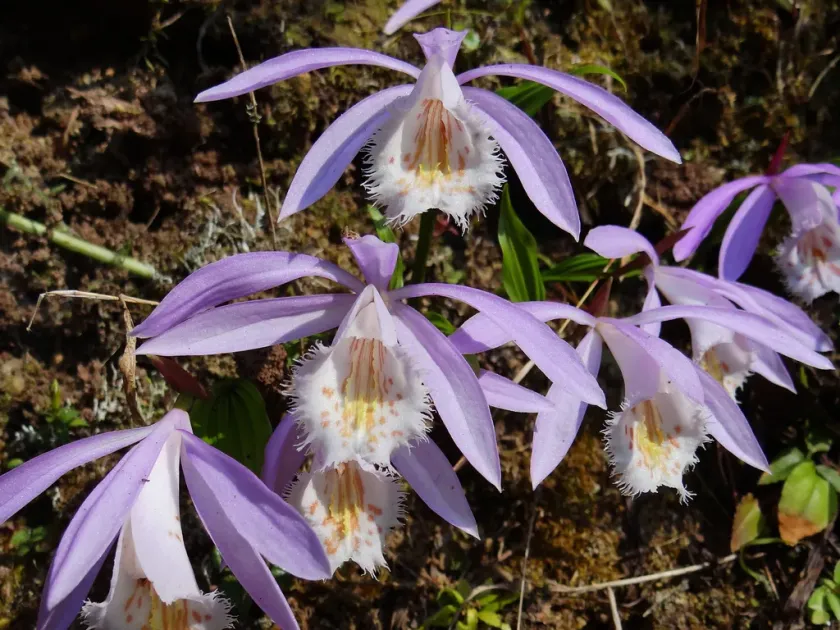
Description
Growing requirements
Pleione is a genus of small, showy orchids within the Orchidaceae family, often referred to as "window-sill orchids" or "peacock orchids" due to their striking appearance. They are primarily epiphytic or lithophytic in nature.
Native to high-altitude regions in Asia, including the Himalayas, China, and Taiwan, these orchids thrive in environments with cool, moist conditions and distinct seasonal changes. They typically grow on moss-covered cliffs or rotting wood.
Botanically, they are sympodial orchids characterized by annual pseudobulbs. These structures store nutrients, allowing the plant to survive its dormant winter phase after the foliage has naturally senesced and dropped.
Successful cultivation requires a well-drained, acidic, and open substrate. A mix consisting of fine bark, perlite, and live sphagnum moss is ideal to maintain high humidity around the roots while preventing waterlogging.
Light levels should be bright but filtered, avoiding direct midday sun which can scorch the foliage. Proper air circulation is essential throughout the growing season to prevent overheating and support healthy metabolic processes.
Main diseases and pests
Spider mites are the most common pest, especially in dry greenhouse conditions. They can quickly weaken the plant by feeding on the undersides of the leaves, leading to yellowing and premature leaf drop.
Fungal rots, particularly caused by Pythium or Phytophthora, pose a major threat. These pathogens are most active when the substrate remains excessively damp for long periods, leading to the rapid decay of the pseudobulbs.
Aphids can occasionally attack the new, succulent shoots and flower buds, causing malformation. Prompt intervention with insecticidal soap or biological controls is recommended to maintain the plant's health.
Botrytis, or grey mold, is a frequent issue during cool and damp seasons. It creates unsightly spots on the flowers and, if left unchecked, can spread to the vegetative parts of the plant under poor ventilation.
Rigorous hygiene is the best defense. This includes sterilizing pots between cycles, avoiding water contact with the flower blooms, and ensuring that any diseased tissue is promptly removed and treated with specialized fungicides.