
Pinalia
Pinalia
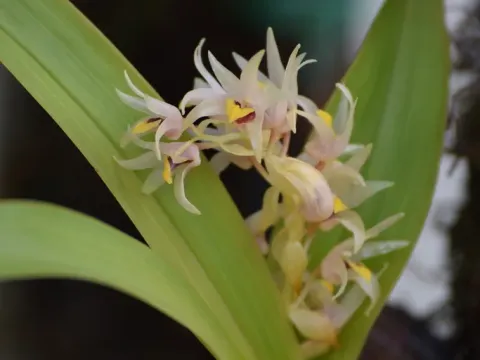
Pinalia is a genus of epiphytic and lithophytic orchids belonging to the Orchidaceae family. These plants are native to the tropical and subtropical regions of Asia, primarily found in dense, humid forests.
What the section contains


Pinalia
As tropical plants, they thrive in environments with high ambient humidity, ideally maintained above 70%. Proper air circulation is just as critical as moisture to prevent stagnation around the root zone.
The cultivation requirements focus on mimicking their natural epiphytic habitat. They need a well-draining, airy substrate consisting mainly of bark chips, perlite, and dried sphagnum moss to ensure oxygen reaches the roots.
In terms of light, Pinalia requires bright, indirect illumination. Prolonged exposure to direct sunlight will scorch the foliage and hinder the development of the pseudobulbs, which are vital for water storage.
Temperature management should follow seasonal variations if possible, though most cultivated species are comfortable in the 18°C to 26°C range. Consistent watering should be applied only when the growing medium begins to dry out.
Typical pests affecting Pinalia include scale insects, mealybugs, and spider mites. These small pests colonize the undersides of leaves and leaf axils, depleting the plant's nutrient reserves.
Root rot remains the most significant threat caused by overwatering or the use of decomposed potting media. Once the roots are compromised, the entire plant rapidly declines due to lack of moisture uptake.
Fungal leaf spot diseases may appear during periods of high humidity combined with low airflow. These are often characterized by dark, sunken necrotic lesions on the leaves that spread if not treated.
Integrated pest management suggests using physical removal with cotton swabs dipped in alcohol followed by the application of horticultural oils or systemic insecticides if the infestation persists.
Cultural prevention remains the best defense, including the removal of dead leaf sheaths and ensuring that water is not trapped in the center of new vegetative growth during watering sessions.