
Pleurothallis
Pleurothallis
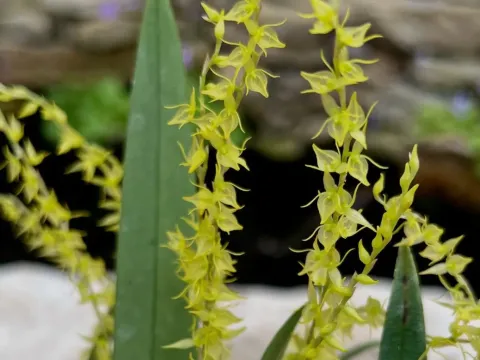
Pleurothallis is a diverse genus of orchids belonging to the Orchidaceae family, natively distributed throughout the tropical and subtropical regions of the Americas. These plants typically grow as epiphytes or lithophytes in humid, cool, and high-altitude mountain forest ecosystems.
What the section contains
 Pleurothallis domingensis
Pleurothallis domingensis
Pleurothallis domingensis
 Pleurothallis gargantua
Pleurothallis gargantua
Pleurothallis gargantua
 Pleurothallis gelida
Pleurothallis gelida
Pleurothallis gelida
 Pleurothallis marthae
Pleurothallis marthae
Pleurothallis marthae
 Pleurothallis racemiflora
Pleurothallis racemiflora
Pleurothallis racemiflora
 Pleurothallis ruscifolia
Pleurothallis ruscifolia
Pleurothallis ruscifolia
 Pleurothallis tricostata
Pleurothallis tricostata
Pleurothallis tricostata
Pleurothallis
Botanically, they are sympodial orchids characterized by the lack of prominent pseudobulbs, relying instead on succulent-like leaves to store small amounts of water. Each stem typically bears a single leaf and small, often architecturally complex flowers that arise from the base of the leaf.
The climate requirements necessitate a cool to intermediate temperature regime. It is crucial to maintain daytime temperatures between 18–22°C and significantly cooler night temperatures around 12–15°C to simulate their natural high-altitude environment and promote healthy growth.
When selecting a soil medium, it is important to provide a substrate that retains consistent moisture while allowing for excellent drainage and root aeration. A mix of fine bark, perlite, and sphagnum moss is highly effective for maintaining the required root zone humidity levels.
Light levels should be kept low to moderate, ensuring that the foliage is shielded from direct, harsh sunlight which can cause rapid desiccation and burning. Consistent air movement is vital to prevent fungal accumulation and to mimic the breeze typical of their native cloud forest habitats.
Common pests include spider mites and mealybugs, which thrive in environments where air circulation is poor or humidity levels drop too low. Regular monitoring and the application of gentle horticultural soaps or systemic pesticides are recommended for management.
Fungal and bacterial rot are the primary health risks, often triggered by excessive water in the root zone or stagnant air. Proper spacing between specimens and ensuring that the foliage dries promptly after watering are essential preventive strategies for maintainable cultivation.