
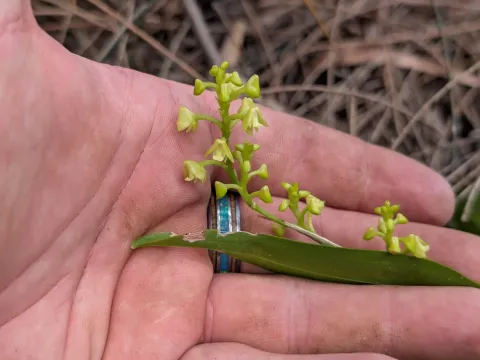
Polystachya
Polystachya
Polystachya is a diverse genus of epiphytic and lithophytic orchids belonging to the Orchidaceae family. These plants are primarily native to tropical regions of Africa, though they are also found in parts of Asia and the Americas. Botanically, they are known for their sympodial growth habit and distinct pseudobulbs that store water and nutrients.
What the section contains


Polystachya
Cultivating Polystachya requires conditions that mimic their natural tropical habitat. They thrive in environments with high humidity and stable temperatures, ideally between 18 and 26 degrees Celsius. Proper air circulation is mandatory to prevent stagnant air, which can encourage fungal growth and root rot.
For optimal growth, the potting medium must be coarse and well-draining, similar to that used for other epiphytes. A mixture consisting of orchid-grade bark, charcoal, and sphagnum moss is highly recommended. This structure ensures that the roots receive sufficient oxygen while retaining enough moisture for healthy development.
Lighting is a critical factor in the successful cultivation of Polystachya. They prefer bright, filtered light. Exposure to direct, intense sunlight can damage the leaves, causing them to scorch. Using sheer curtains or positioning the plants in east-facing windows is often the best strategy to provide adequate light without risking burn injury.
The primary use of this genus is ornamental, serving as a popular choice for orchid enthusiasts and greenhouse collections. Their ability to produce long-lasting, unique inflorescences makes them highly desirable among collectors who appreciate the morphological diversity within the Orchidaceae family.
The most significant threats to Polystachya health are water-related issues, specifically overwatering leading to root rot. If the potting medium becomes waterlogged or degraded, the roots will suffer from oxygen deprivation, leading to the rapid decay of the plant's structural tissues and pseudobulbs.
Common pests that affect this crop include spider mites, mealybugs, and scale insects. These pests can cause significant stress to the plant by extracting sap and potentially introducing pathogens. Integrated pest management, involving regular cleaning and appropriate horticultural treatment, is essential to maintain plant vigor.