
Pink lady slipper
Cypripedium acaule
Description
Growing requirements
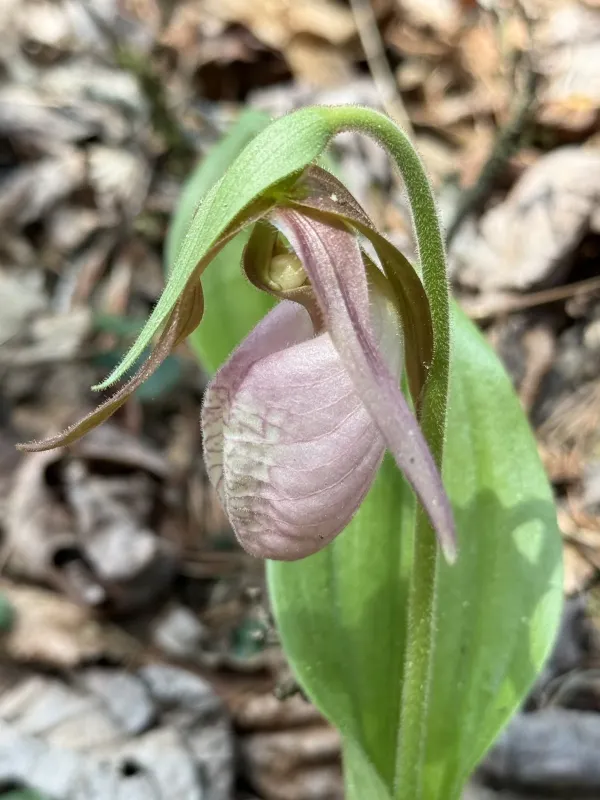
The Pink lady slipper (Cypripedium acaule) is a perennial plant belonging to the Orchidaceae family. It is native to North America, typically found in acidic, nutrient-poor woodland soils under coniferous canopy.
Cultivation requires replicating these specific forest conditions. The growing medium should be highly acidic, loose, and composed of pine needles, peat, and coarse sand to ensure excellent aeration and drainage.
This orchid thrives in partial shade. Direct, intense sunlight is harmful to the foliage and can quickly dehydrate the plant. Ideally, it should be situated in a woodland garden where it receives dappled light.
Temperature and moisture management are critical. The plant requires consistent soil moisture but cannot tolerate "wet feet." Mulching with pine needles helps maintain soil acidity and keeps the root zone cool.
A key biological necessity for this plant is its obligate symbiotic relationship with mycorrhizal fungi. Without the presence of these fungi in the soil, the plant cannot absorb nutrients effectively and will fail to thrive in garden settings.
Main diseases and pests
Root rot is the most significant threat to Cypripedium acaule, typically caused by poor soil drainage. Ensuring that the site remains moist but never waterlogged is essential for plant longevity.
Slugs and snails are the primary pests that damage the plant's delicate leaves and developing flower stalks. Gardeners often use copper barriers or organic baits to protect their orchids from these invaders.
Aphids may target the developing flower buds. While rarely fatal, they can significantly impact the quality of the bloom, so early intervention using manual removal or mild insecticidal soaps is recommended.
Nematodes can attack the root system, causing the plant to show signs of decline. Using sterile substrate when starting a new patch is an important preventative measure against soil-borne pests.
Incorrect soil pH will lead to the breakdown of the symbiotic relationship between the roots and fungi. If the soil becomes too alkaline, the plant will eventually starve, making soil testing a routine part of its care.