
Phymatidium
Phymatidium
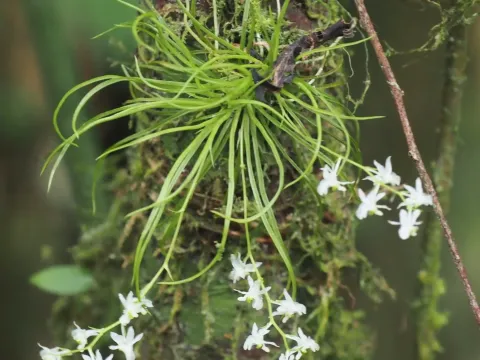
Phymatidium is a genus of miniature epiphytic plants belonging to the Orchidaceae family. These plants are recognized for their distinct botanical structure, which allows them to thrive in specialized ecological niches, primarily in the tropical regions of South America.
What the section contains


Phymatidium
Originating from Brazil, Phymatidium species are typically found in humid, shaded forest environments. They grow as epiphytes, attaching themselves to tree branches where they can access filtered light and atmospheric moisture, which are critical for their development.
The climate requirements for Phymatidium include a stable, high-humidity environment, ideally ranging between 70% and 80%. Temperatures should remain moderate, avoiding extremes, as these plants are not adapted to significant thermal fluctuations throughout the year.
In terms of soil and substrate, Phymatidium demands excellent aeration. Cultivators typically utilize fine-grade pine bark, charcoal, and sphagnum moss to ensure the root system can dry out between waterings, preventing stagnant conditions.
Agrotechnical management requires meticulous light control. Phymatidium species perform best under bright, diffused light. Direct sunlight is detrimental, as it can quickly dehydrate the plant and cause permanent leaf burn on its delicate foliage.
Fungal diseases are the primary threat to Phymatidium, usually triggered by poor air circulation and excessive moisture in the root zone. Ensuring consistent airflow around the plant is essential to mitigate these risks and prevent rot.
Common pests such as spider mites and scale insects represent a significant danger to the health of the plant. Monitoring the leaves and pseudobulbs for early signs of infestation is necessary to avoid the need for intensive chemical treatment.
Water quality is a major factor in plant health. Phymatidium is sensitive to mineral salts found in tap water, which can accumulate in the substrate and burn the roots. Using purified or rainwater is highly recommended for irrigation.
Incorrect fertilization practices can jeopardize plant development. It is crucial to use dilute, orchid-specific fertilizers during the active growing season and to flush the substrate periodically to remove any accumulated mineral residues.
Environmental stress, particularly sudden changes in light or humidity, can make the plant susceptible to secondary bacterial infections. Maintaining a consistent routine is the best strategy for ensuring long-term health and vitality in this genus.