
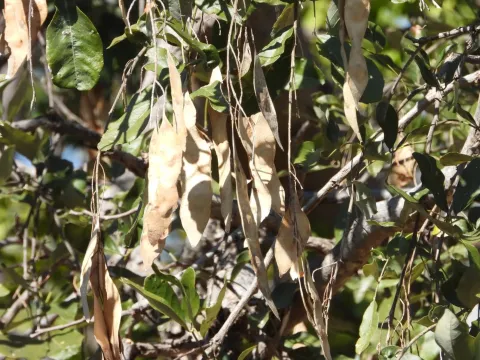
Philenoptera
Philenoptera
Philenoptera is a genus of trees and shrubs belonging to the family Fabaceae. Native primarily to the African tropics, these plants are well-adapted to savanna environments and seasonal climatic conditions, making them a unique subject for agricultural research.
What the section contains


Philenoptera
The climate requirements for Philenoptera include high mean annual temperatures. The species is highly drought-tolerant, which is a significant advantage in regions where irrigation water is scarce or climate change creates unpredictable rainfall patterns.
Regarding soil requirements, these plants prefer well-drained, deep soils. They are susceptible to waterlogging, so site selection should prioritize areas with adequate slope or soil structure to prevent root suffocation during peak rainy seasons.
As a leguminous plant, Philenoptera contributes to soil nitrogen fixation. By incorporating this culture into rotation or agroforestry systems, farmers can naturally improve soil fertility without relying heavily on chemical fertilizers.
Full sunlight is generally required for optimal growth and biomass production. Seedlings may benefit from partial shade during their earliest stages of development, but mature trees require ample light exposure to thrive.
The primary agricultural use of Philenoptera is in agroforestry systems, where it provides high-quality, durable wood. This timber is valued for its strength and resistance to insect damage, making it perfect for agricultural tools and construction.
The foliage and fruit of the plant are recognized as important forage sources. Livestock farmers often utilize these as supplemental feed, as the protein-rich leaves maintain quality even during the dry season when grasses wither.
Soil conservation is another key benefit of this crop. Its extensive root system helps prevent soil erosion and improves soil structure, making it a strategic choice for land reclamation projects and field boundary plantings.
Research into the pharmaceutical potential of the genus has identified various compounds in the bark and leaves. These findings are currently driving interest in non-timber forest product harvesting from established stands.
Annual biomass yields can be significant if management practices, such as pruning and spacing, are followed correctly, allowing for both environmental restoration and sustainable wood production.
Foliage-eating insects represent a primary threat to young Philenoptera stands. Integrated pest management, focusing on encouraging natural predators and using bio-pesticides, is the preferred strategy for large-scale production.
Root rot caused by stagnant water or fungal pathogens is a concern. To mitigate this risk, farmers must ensure excellent drainage and avoid over-irrigation, especially in clay-heavy soil conditions.
Termites are known to attack mature wood, potentially weakening trees. Periodic inspections and, if necessary, the application of organic deterrents can protect the health and longevity of the stand.
Weed competition during the establishment phase is detrimental to seedling survival. Applying organic mulch around the base of the plant can suppress weed growth and improve moisture retention.
Grazing pressure from both livestock and wild animals requires robust protection strategies. Fencing young trees is essential during the first 2-3 years to ensure they reach a height where they are no longer vulnerable to browsing.