
Philenoptera laxiflora
Philenoptera laxiflora
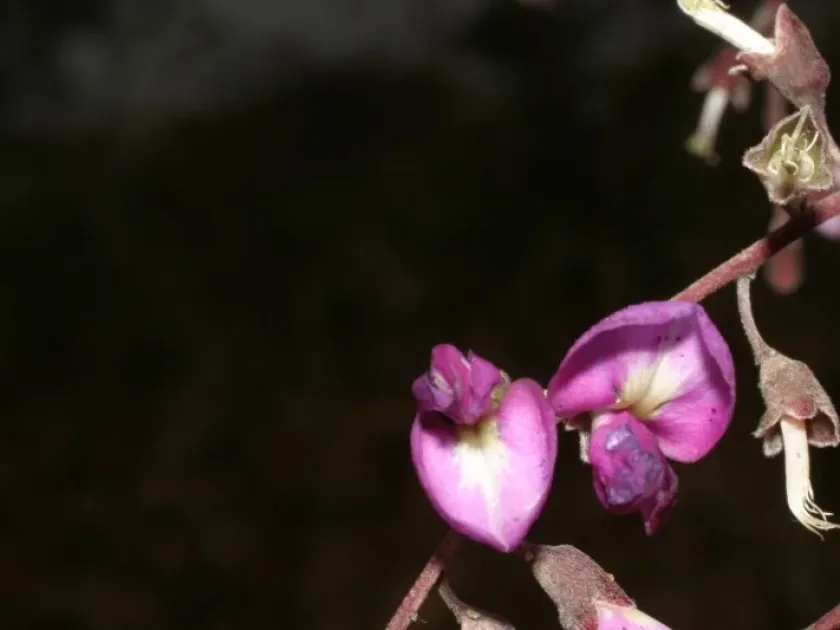
Description
Sowing dates
Philenoptera laxiflora is typically propagated from seeds. Seeds should be collected from healthy, mature pods and require scarification to improve germination rates before sowing.
Nursery beds should be prepared with well-drained, fertile soil. Seeds are sown at a shallow depth and require consistent moisture until the seedlings have established a strong root system.
The optimal time for transplanting seedlings into the field is the onset of the rainy season. This ensures that young trees have sufficient soil moisture to establish themselves effectively.
Spacing is a critical factor for success; trees should be planted with enough room to expand, typically ensuring they do not shade each other, as they require significant light to thrive.
Vegetative propagation via cuttings is also an option for controlled environments, allowing for the selection of superior traits such as faster growth rates or improved drought tolerance.
Growing requirements
As a member of the Fabaceae family, this species is a hardy woody plant primarily native to the tropical and subtropical regions of Africa, where it thrives in diverse environments.
The plant demonstrates remarkable adaptability to various soil types, including sandy and rocky soils, but it achieves peak productivity in deep, well-draining loam.
Philenoptera laxiflora is highly drought-tolerant once established. It requires a sunny environment and is sensitive to heavy shade, which can significantly stunt its vegetative development.
Temperatures ranging from 22°C to 30°C are ideal for growth. While it can survive in various climates, it is strictly intolerant to frost, which limits its commercial cultivation to frost-free zones.
Maintenance practices involve periodic weeding and the application of organic mulch around the root zone to suppress competing weeds and maintain essential soil humidity levels.
Yield
The primary agricultural use of this plant is for high-quality timber. The wood is prized for its durability, hardness, and natural resistance to termites and rot.
In silvopastoral systems, the foliage serves as an excellent source of fodder for livestock. Its high protein content makes it invaluable during dry spells when standard forage is scarce.
The plant plays a crucial role in nitrogen fixation. By improving soil fertility, it serves as a beneficial partner in agroforestry, increasing the yield of intercropped plants.
The flowers are an excellent source of nectar for pollinators, enhancing the local ecosystem and supporting healthy populations of beneficial insects within the farming area.
Sustainable harvesting involves selective pruning and thinning. This approach encourages consistent regrowth and ensures the long-term viability of the plantation for future generations.
Main diseases and pests
Leaf-eating insects, such as caterpillars and various beetles, represent the most frequent threat, potentially reducing biomass if left unmanaged during the early growth stages.
Fungal infections, typically triggered by improper drainage or excessive humidity, can cause root decay. Good site selection and drainage management are essential to prevent these issues.
Termite activity poses a significant risk to the longevity of the trees, especially if the plants are already stressed by environmental factors or poor nutrition.
Integrated Pest Management (IPM) strategies are recommended, focusing on maintaining tree vigor, which naturally increases the plant's resistance to minor pest attacks.
Regular monitoring of the canopy and trunk health is necessary to detect early signs of infestation and to apply corrective measures before the damage becomes irreversible.