
Philenoptera violacea
Philenoptera violacea
Description
Growing requirements
Philenoptera violacea, commonly known as the Apple-leaf, is a deciduous tree belonging to the Fabaceae family. It is native to the savanna and woodland regions of tropical and subtropical Africa.
The plant is highly adaptable to various soil types, preferring well-drained loamy or sandy soils. It is known for its remarkable drought tolerance, which is a key trait for survival in harsh African environments.
For successful cultivation, Philenoptera violacea requires full sunlight exposure. It thrives in warm temperatures and is sensitive to frost, making its agricultural use restricted to tropical and warm subtropical climates.
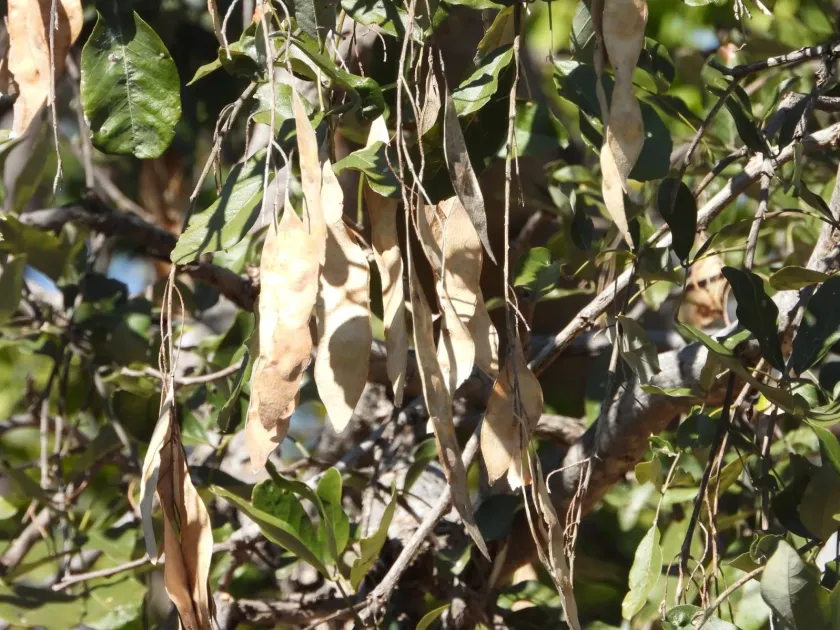
Botanically, the tree features compound leaves and attractive violet or mauve flowers. Its root system is deep and robust, aiding in soil stabilization and nutrient cycling, which is beneficial for agroforestry projects.
Cultivation practices involve proper spacing to ensure adequate airflow and sunlight penetration. While it is hardy once established, young trees require supplemental watering during the initial stages of growth to develop a strong root system.
Main diseases and pests
Philenoptera violacea is generally robust, but it can be susceptible to various fungal infections, especially in humid conditions. These pathogens primarily affect the foliage and the root system if the drainage is poor.
Insect pests such as wood-boring beetles can cause significant damage to the trunks and branches. Leaf-eating caterpillars and aphids may also impact the tree's health during the peak of the growing season.
Integrated pest management is recommended to keep these threats under control. Regular pruning of infected parts and monitoring the plant for signs of infestation are essential components of healthy orchard management.
The prevention of root rot is crucial, as this disease is often associated with waterlogged soils. Ensuring that the planting site has excellent drainage significantly reduces the risk of long-term damage.
Large herbivores can pose a physical threat to the trees by stripping bark or consuming young branches. Fencing or protective barriers are often necessary in regions where wildlife populations are high and interact with agricultural lands.