


Reference · Crops
Canary grass
Phalaris
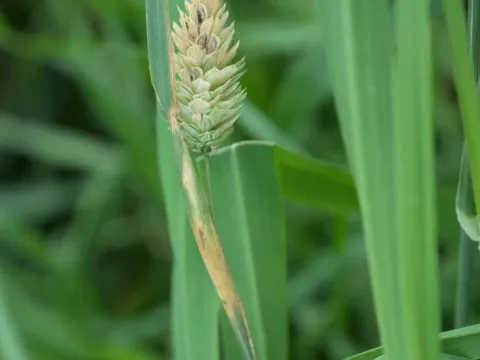
Canary grass (Phalaris canariensis) is an annual cereal belonging to the Poaceae family. Planting usually occurs in early spring, as soon as the soil reaches a temperature of 5–8 degrees Celsius, to allow for optimal germination.
6
items
What the section contains
Marketplace
Products in this section · 12

Alfa-Prometrin
Zhejiang Zhongshan Chemical Industry Group Co., Ltd.
Herbicides
1
1
21 offers
4.91 €per pack
Buy


Select® 120, KE (clethodim, 120 g/l)
Arysta LifeScience S.A.S.
Herbicides
0
0
6 offers
11.92 €per 1 l
Buy


Canary grass
The ideal sowing window is mid-to-late April in temperate regions. Early establishment is vital, as it allows the crop to utilize soil moisture effectively before the onset of drier summer conditions.
The standard planting method involves drilling in rows spaced 15–20 cm apart. A shallow planting depth of 2–3 cm is required, as the seeds are relatively small and need sufficient contact with moist soil for uniform sprouting.
Seeding rates generally range from 10 to 15 kilograms per hectare. Farmers often adjust this based on soil fertility and the expected weed pressure to ensure an optimal plant density for maximizing yield.
Post-sowing compaction, or rolling the field, is a recommended practice. This technique firms the seedbed, improves capillary moisture supply to the seeds, and ensures even emergence across the entire planting area.
This crop thrives in well-drained, fertile soils, such as loams or silty loams. While it requires adequate moisture, particularly during the vegetative phase, it is highly intolerant of waterlogged soil conditions.
Canary grass is a light-demanding plant, and fields must be situated in open areas without shade for maximum photosynthetic activity. The preferred temperature range for growth is between 18 and 22 degrees Celsius.
Proper soil preparation, including autumn plowing and basic fertilization, is essential. The crop performs best in neutral to slightly acidic soils with a steady supply of phosphorus and potassium.
It is important to follow a structured crop rotation to maintain soil health. Avoiding back-to-back plantings of canary grass helps prevent the buildup of soil-borne pathogens and specific weeds.
In regions with low precipitation, supplementary irrigation can significantly improve productivity. Consistent water availability is most critical during the stages of tillering and grain filling.
Yields of canary grass typically range from 1.5 to 2.5 tonnes per hectare, though intensive management can lead to higher productivity. Success is largely dependent on rainfall distribution.
The primary economic use for canary grass is as a high-quality ingredient for birdseed mixes. Its nutritional profile, including high protein and fat content, makes it a premium product in the pet food industry.
Productivity can be boosted by using high-quality, certified seeds and localized fertilizer applications. Proper agronomic care during the sensitive phases of plant development is a key factor in yield stability.
While often grown for grain, the vegetative parts of the plant can be utilized as supplementary green fodder. However, the grain itself remains the most valuable output for most agricultural enterprises.
Farmers must minimize harvest-time losses, which can occur due to seed shattering if the crop is not harvested at the exact stage of maturity. Using modern combines helps maintain quality and volume.
Common pests include cereal flies and aphids, which can damage seedlings or sap the plant of nutrients during development. Regular field scouting is necessary to determine if intervention is needed.
Fungal diseases, such as rust and various leaf spots, represent a risk during wet seasons. These pathogens can be managed through seed treatments and by ensuring sufficient air circulation within the canopy.
Weed control is perhaps the most significant challenge, as the plant grows slowly during its initial stages. The judicious use of selective herbicides is standard to reduce competitive pressure.
A proactive approach to disease management, including the use of resistant varieties, reduces the need for chemical applications. Integrated Pest Management (IPM) strategies are highly effective here.
Monitoring for signs of nutrient deficiency or water stress is also part of a good agronomic plan, allowing for quick adjustments in management to prevent crop failure.
Harvesting should be performed when the grain is at full maturity, characterized by a moisture content of 14–16%. This phase is usually reached in late summer, depending on the planting date.
Direct combining is the most common harvest method. Setting the combine properly is crucial; excessive drum speed can damage the delicate seeds, lowering their market value and germination potential.
Post-harvest cleaning is mandatory to remove chaff, dust, and weed seeds from the harvested mass. Efficient cleaning prevents contamination and ensures the product meets safety and quality standards.
Grain must be stored in cool, dry, and well-ventilated silos to prevent mold and insect infestation. Proper moisture monitoring is vital throughout the storage period to ensure the seed's longevity.
Cleanliness during transport is paramount. Since canary grass is consumed by small animals and birds, maintaining high hygiene standards throughout the supply chain is a fundamental quality requirement.