
Phalaris aquatica
Phalaris aquatica L.
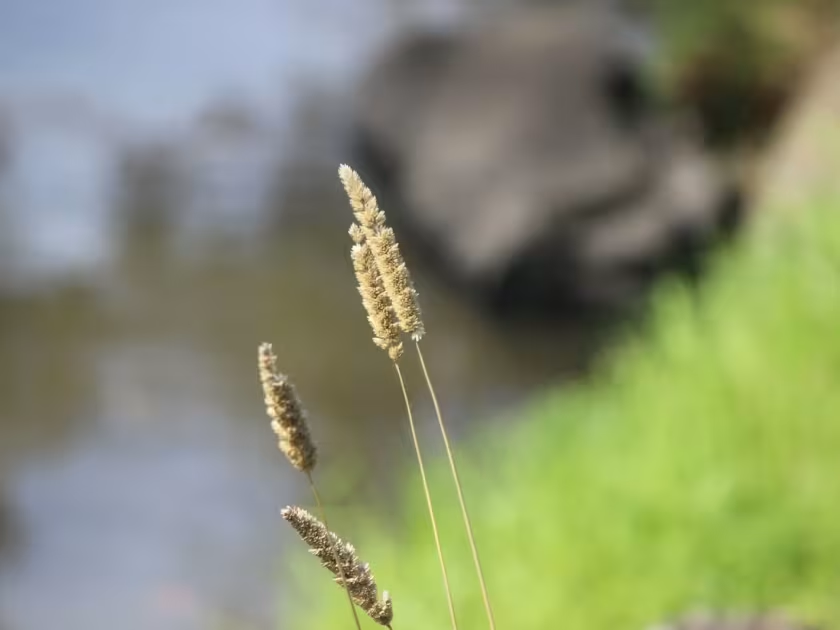
Description
Sowing dates
Phalaris aquatica, commonly known as bulbous canary grass, is a robust perennial grass within the Poaceae family. Sowing is typically performed in early spring or autumn, depending on the climatic zone, to ensure the plants establish roots before extreme temperatures occur.
Successful establishment requires a well-prepared, firm seedbed. Seeds are small, so they should be sown at a shallow depth of 1–2 centimeters. Rolling the soil after sowing is a critical practice to improve soil-to-seed contact and water retention.
The seeding rate varies based on the method, typically ranging from 6 to 10 kg per hectare. Precision drilling is preferred to ensure uniform distribution, which helps the crop compete effectively during its slow initial growth phase.
Given its slow early development, weed management is essential during the first weeks after germination. Once the grass is established, it develops a dense mat and robust root system that successfully suppresses invasive weeds in the field.
Applying starter fertilizers, especially those high in phosphorus, significantly enhances early root development. This creates a strong foundation for the grass to survive through various environmental stresses in subsequent growing seasons.
Growing requirements
Originating from the Mediterranean region, Phalaris aquatica is highly adapted to temperate climates. It thrives in open, sunny environments where it can maximize its photosynthetic capacity throughout the growing season.
One of the most notable features of this grass is its drought tolerance, attributed to the bulbous swellings at the base of the stems which store nutrients and water. This allows it to persist in regions with dry summers.
The plant is highly adaptable to various soil types, including heavy clays that retain water. While it tolerates poor drainage better than many other forage grasses, it performs best on fertile, well-drained loam soils with a neutral pH.
The optimal temperature range for active growth is between 18 and 25 degrees Celsius. While it can withstand moderate frost, extreme cold without snow cover may lead to dormancy or, in severe cases, the need for over-seeding to restore the stand.
To maintain high productivity, nitrogen supplementation is required after each harvest or intense grazing period. Consistent nutrient management ensures the crop remains vigorous and productive for many years.
Yield
The biomass yield of Phalaris aquatica is substantial, making it a preferred choice for perennial pastures. With proper management and fertilization, growers can achieve several productive cuts within a single growing season.
Yields typically range from 20 to 40 tonnes of green matter per hectare, depending on local rainfall and soil fertility. When processed as hay, it provides a high-quality, protein-rich feed suitable for cattle and sheep.
In pasture systems, this grass is valued for its persistence and high nutritive value. It is often integrated into mixed swards with legumes, which enhances the overall digestibility and energy density of the forage for livestock.
The plant is also used for silage production. Its high leaf-to-stem ratio makes it ideal for ensiling, ensuring that farmers have a stable supply of nutrients during off-seasons or winter months.
Beyond forage production, its deep and extensive root system provides excellent soil stability. It is frequently employed in conservation programs to prevent erosion on slopes and degraded lands.
Main diseases and pests
Phalaris aquatica is generally hardy and demonstrates natural resistance to many common agricultural pests. However, environmental stress or poor field management can increase susceptibility to specific pathogens.
Root rot is the most significant threat, particularly in poorly drained soils during cold and wet conditions. Ensuring proper field drainage is the most effective preventative measure against such diseases.
Fungal leaf diseases, such as rust, can appear during periods of high humidity. Regular monitoring is advisable, and if an outbreak occurs, the application of appropriate fungicides can prevent significant biomass loss.
Pests like aphids and various cereal flies may occasionally target young stands. Integrated Pest Management (IPM) practices, including regular field inspections, are crucial to determine if intervention is necessary.
Maintaining a healthy, vigorously growing stand is the best defense against threats. Overgrazing or excessive soil compaction should be avoided, as these weaken the plants and open the door for opportunistic pathogens.
Harvesting
For optimal nutritional quality, the first harvest should occur at the early heading stage. Harvesting at this time ensures a perfect balance between biomass volume and the concentration of proteins and essential minerals.
Hay production involves rapid drying in swaths. Given the plant's texture, it dries efficiently, allowing for quick baling. Proper storage is necessary to prevent moisture accumulation and subsequent quality degradation.
In rotational grazing systems, it is vital to allow adequate recovery time between grazing events. This cycle prevents the exhaustion of the plant's bulbous reserves and ensures the stand remains productive for future years.
Seed harvesting requires precision; it should be performed when seeds are fully ripe but before they shatter. Using direct harvesting equipment during calm weather conditions minimizes potential seed losses.
Post-harvest management involves cleaning the field of excess debris to prepare the crop for dormancy. This helps in managing weed pressure and sets the stage for healthy regrowth in the following spring.