
Alfa-Prometrin
Zhejiang Zhongshan Chemical Industry Group Co., Ltd.
Herbicides
1
1
21 offers
4.92 €per pack
Buy

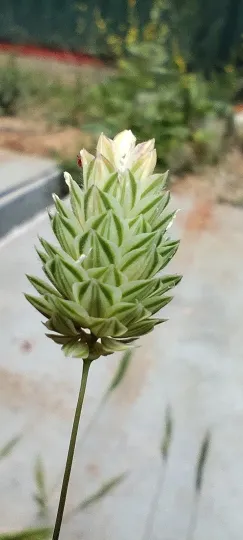
Canary grass (Phalaris canariensis) is an annual grass belonging to the Poaceae family. Sowing typically occurs in early spring, once soil temperatures reach a minimum of 5–8 degrees Celsius.
The optimal planting depth is 2–3 centimeters, ensuring the seed is placed in moist, firm soil to facilitate rapid and uniform germination across the field.
Seed rates generally range from 10 to 15 kg per hectare, using a row spacing of 15–20 centimeters. This density promotes optimal canopy development and minimizes weed competition.
Early sowing is beneficial as it allows the crop to establish a deep root system and utilize winter moisture before the onset of potential summer droughts.
In regions with mild winters, autumn sowing can be practiced to achieve early maturity, provided that the risk of frost damage to young seedlings is carefully assessed.
Originating from the Mediterranean region, this crop thrives in sunny, open environments. It requires significant light exposure to reach its full productive potential.
Canary grass is adaptable to various soil types, including loams and sandy soils, provided they are well-drained. It does not tolerate prolonged waterlogging or anaerobic conditions.
An ideal soil pH for production is between 6.0 and 7.5. In soils with high acidity, liming is recommended to improve nutrient availability and plant vigor.
The crop responds well to balanced fertilization, particularly nitrogen in the early growth stages and phosphorus for root and stem development during the tillering phase.
While relatively drought-tolerant, water availability during the heading and grain filling stages is crucial to ensure high test weight and optimal grain quality.
Yield potential under favorable conditions typically ranges from 1.5 to 2.5 tonnes per hectare. Intensive management practices can increase these numbers significantly.
The thousand-grain weight is generally between 6 and 8 grams. Marketability depends on grain brightness, uniform size, and a low percentage of foreign material or weed seeds.
Yield is highly dependent on the number of productive tillers per unit area, which can be optimized through correct seeding rates and proper field preparation.
Productivity is also influenced by the length of the growing season; extremely hot conditions during anthesis can lead to reduced seed set and lower overall output.
Strategic weed control and the prevention of lodging are essential factors in achieving consistent yields in commercial production systems.
The primary biotic threats include fungal pathogens like smut and rust, which can affect the panicle and lead to significant grain discoloration and weight loss.
Pests such as aphids, cereal flies, and wireworms can jeopardize early development by damaging seedlings or stems, necessitating regular field scouting.
Integrated Pest Management (IPM) is highly effective for this crop, focusing on preventative measures and biological control where applicable to sustain yields.
Rapid detection of disease outbreaks is critical; targeted fungicide applications during the reproductive stages can prevent widespread damage to the harvestable grain.
Harvesting is performed by direct combining when the moisture content drops to 14–16 percent. Timing is crucial, as delayed harvest leads to significant shattering losses.
Uniform maturation of the panicles is essential for efficient harvest. If maturation is uneven, desiccants may be used to speed up the process and facilitate combine operations.
Harvested grain must be cleaned and dried immediately to prevent mold growth and maintain the high quality required for bird feed or human consumption markets.
The remaining biomass (straw) can be baled and used for livestock bedding or as a supplemental feed source, provided it is free from significant fungal contamination.
Storage requires well-ventilated, moisture-controlled bins to maintain grain longevity and prevent the deterioration of seeds intended for future planting or trade.