
Bush muhly
Muhlenbergia porteri
Description
Growing requirements
Bush muhly (Muhlenbergia porteri) is a perennial grass species belonging to the Poaceae family. Native to the arid regions of the southwestern United States and northern Mexico, it is a specialized crop adapted to survive in harsh, water-limited environments.
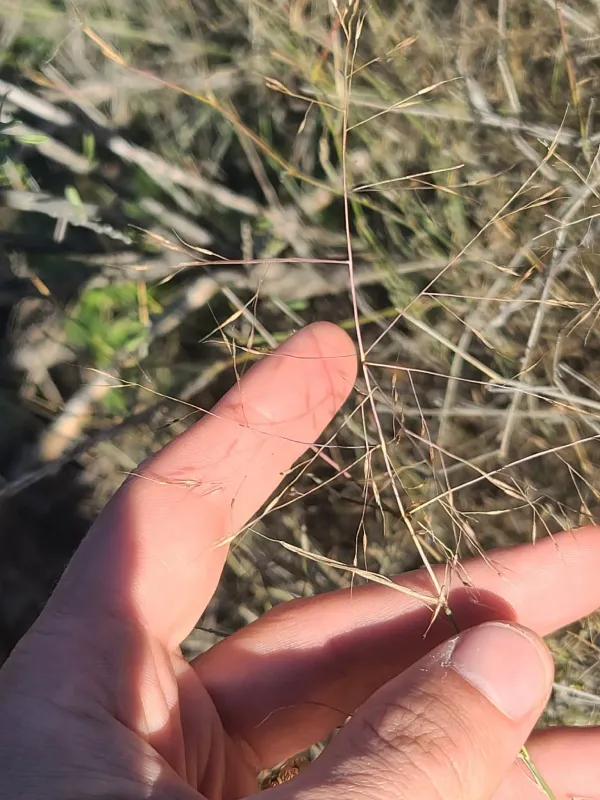
Botanically, it is a branching shrub-like grass that creates delicate, tangly, and sprawling clusters. It often uses other desert shrubs for structural support, producing fine, grayish-green foliage that is highly resistant to heat and sun exposure.
To cultivate this species successfully, full sun exposure is mandatory. It requires high light intensity to maintain its characteristic structure; shading will negatively affect both the aesthetic quality and the physiological health of the plant.
Soil requirements are relatively modest. The plant thrives in well-drained, sandy, or rocky soils with poor fertility. Excellent drainage is the most critical factor, as the roots are intolerant to standing water and prolonged dampness.
This grass is exceptionally drought-tolerant. In agricultural or landscape settings, it performs best when irrigation is minimized. It is designed by nature to flourish with minimal water input, mirroring the rainfall patterns of its native range.
Main diseases and pests
The primary threat to the health of Bush muhly is over-irrigation. Excessive moisture in the root zone quickly leads to root rot, which is the most frequent cause of plant decline in non-native environments.
While generally resistant to most pests, poor air circulation combined with high humidity can lead to the development of powdery mildew. This usually occurs when plants are placed in inappropriately dense or shaded planting schemes.
Sucking insects, such as aphids, may occasionally affect young, tender shoots. However, these issues are rarely severe enough to warrant chemical intervention unless the plant is already stressed by poor environmental conditions.
Maintaining proper spacing between individual plants is essential to allow for natural airflow. Proper ventilation significantly reduces the risk of fungal infections and keeps the central portion of the shrub healthy.
Late-season maintenance should involve the removal of dead or damaged stems. This practice not only improves the visual appeal but also reduces the habitat for overwintering pests and prevents the buildup of organic decay within the crown.