
Carolina canarygrass
Phalaris caroliniana
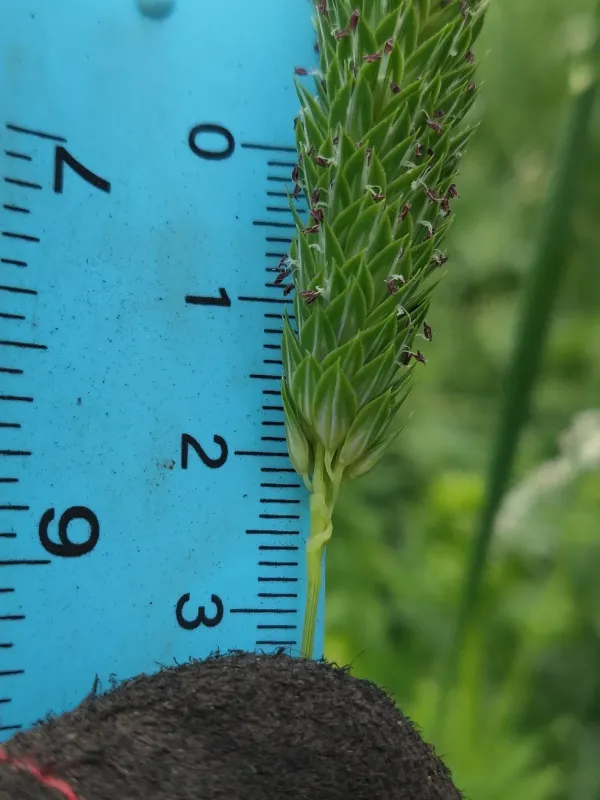
Description
Sowing dates
Carolina canarygrass, known scientifically as Phalaris caroliniana, is an annual grass species belonging to the Poaceae family. It is typically sown in autumn or early spring depending on the regional climate.
The seeds require a well-prepared seedbed, finely tilled and leveled to ensure consistent soil contact, as the seeds are relatively small and sensitive to planting depth.
Sowing depth should be kept shallow, generally around 0.5 to 1 cm, to facilitate rapid germination and emergence of the seedlings during the favorable moisture window.
Seeding rates vary depending on the intended use; higher densities are required for forage production to ensure a thick canopy that suppresses weed emergence.
In regions with mild winters, autumn planting is often preferred as it allows the grass to establish a robust root system before the onset of the summer heat.
Growing requirements
This species thrives in moist environments and is naturally found in low-lying areas, wetlands, and along the edges of ponds, favoring sites with high water availability.
While tolerant of various soil types, it performs best on fertile loamy soils that possess sufficient moisture-holding capacity to support sustained growth throughout the season.
Carolina canarygrass requires full sun exposure to reach its maximum yield potential, as it does not compete well with shade-producing plants or dense woody vegetation.
The crop responds positively to nitrogen fertilization, which helps in stimulating vegetative growth and increasing the overall protein content of the harvested forage.
Adequate drainage is still important, as the plant prefers moist but not waterlogged soil conditions, which could otherwise inhibit root respiration and nutrient uptake.
Yield
The yield of Carolina canarygrass is primarily determined by the availability of soil nutrients and the moisture levels maintained during the active growth phases.
When managed under intensive conditions, the crop produces a significant biomass that serves as an excellent source of forage for livestock, particularly during the early season.
Regular cutting or grazing management can influence total seasonal yield, allowing for multiple harvests if climatic conditions remain favorable and moisture is not limiting.
Nutritional analysis indicates that the forage is quite palatable to ruminants, especially when harvested before the seed heads become too mature and fibrous.
Yield stability is generally high in suitable habitats, making it a reliable choice for farmers looking to utilize marginal, moist land for productive forage purposes.
Main diseases and pests
The primary threats include various fungal pathogens that can develop during periods of high humidity and poor air circulation within the stand, potentially leading to leaf spots.
Insect pests such as aphids or grass-feeding caterpillars can occasionally reach damaging levels, particularly in young stands where they can reduce seedling vigor.
Weed competition is a critical factor during the initial establishment stage, necessitating pre-emergent control or strategic timing of sowing to avoid heavy weed pressure.
Crop rotation remains the most effective strategy to break the life cycles of common soil-borne pathogens and pests associated with cereal and grass crops.
Close monitoring of the crop canopy is recommended to identify early signs of stress or infestation, allowing for timely intervention with appropriate agricultural treatments.
Harvesting
Forage harvest should ideally occur during the late vegetative stage or early boot stage to balance total biomass yield with the nutritional quality of the plant material.
When harvesting for hay, it is essential to ensure rapid drying to preserve the green color and nutrient density, typically using mechanical tedding to assist the process.
If the goal is seed production, harvest timing must be precise to capture the seed at peak maturity while minimizing losses due to natural shattering of the seed heads.
Mechanical harvesting equipment should be set to the appropriate height to avoid incorporating too much soil or debris into the collected forage or seed stock.
Post-harvest management often involves incorporating the remaining stubble into the soil to improve organic matter levels and enhance the overall fertility of the field.