

Description
Sowing dates
The establishment of reed canary grass is best achieved through early spring sowing, which allows the seedlings to take advantage of soil moisture.
Seed depth should be kept shallow, between 1 and 2 centimeters, to ensure that the small seeds have sufficient energy to reach the soil surface.
A seeding rate of 10–12 kg per hectare is generally recommended to establish a competitive and uniform stand in the field.
Seedbed preparation requires a firm and weed-free surface, as early seedling growth is notoriously slow and susceptible to competition.
Rolling the field after sowing is a critical agronomic practice that improves seed-to-soil contact and accelerates the germination process.
Growing requirements
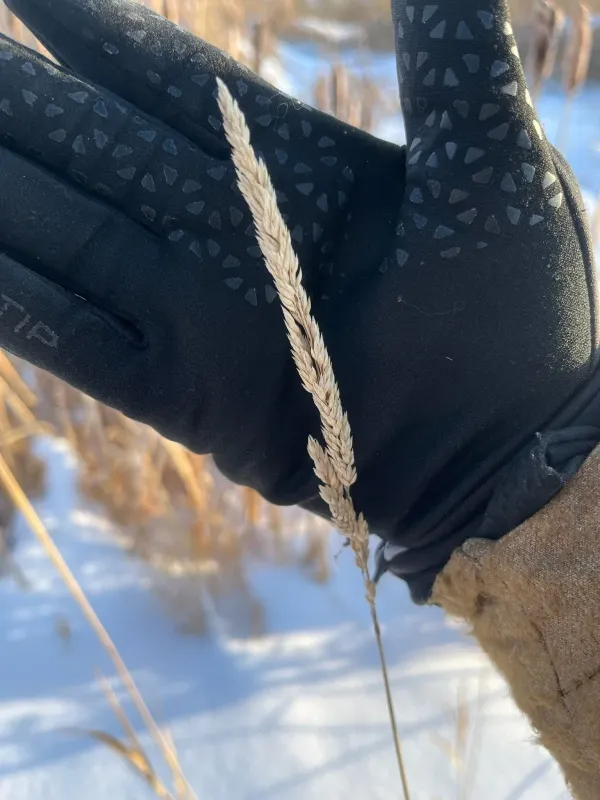
Reed canary grass (Phalaris arundinacea L.) is a member of the Poaceae family, known for its extreme resilience and adaptability to various environments.
It thrives in wet, marshy, or flood-prone areas, making it an excellent choice for stabilizing riverbanks and marginal lands with poor drainage.
The plant is highly winter-hardy and can withstand long periods of freezing temperatures, which makes it ideal for northern agricultural climates.
While tolerant of various soil types, it responds vigorously to nitrogen fertilization and reaches peak production on fertile, loamy soils.
Its extensive rhizome system forms a dense sod, providing excellent resistance against soil erosion and invasive species colonization.
Yield
Under intensive management with optimal nutrient supply, dry matter yields can reach 10–15 tons per hectare annually in multiple harvests.
The crop is highly valued for forage quality if harvested early, providing essential proteins and carbohydrates for livestock grazing or silage.
Due to its high cellulose content, it has gained significant importance as a sustainable feedstock for biomass pellet production and biogas plants.
A established stand can remain productive for over a decade, which provides long-term economic stability for farm operations.
Regular harvesting cycles encourage productive tillering and keep the stand in a vegetative state, maximizing the nutritional value of the foliage.
Main diseases and pests
One of the primary benefits of this species is its inherent resistance to many common fungal diseases that typically plague other forage grasses.
Minor outbreaks of rust or leaf spots may occur under exceptionally humid conditions but rarely require chemical intervention or treatment.
Insect pests like aphids or grass stem borers can occasionally affect the stand, particularly in fields with poor air circulation or neglected maintenance.
Proper field hygiene and avoiding monoculture over excessively large areas can help minimize the risk of localized pest outbreaks.
If managed correctly, the plant's robust biological structure acts as its best defense against most common agricultural pathogens.
Harvesting
For high-quality livestock feed, the first cut should be taken at the early boot stage before the seed heads begin to emerge from the stems.
Harvesting for biomass or biofuel purposes is typically delayed until late in the season to allow for natural drying and increased dry matter accumulation.
When harvesting for seed, timing is critical because the seeds mature unevenly and shatter easily, requiring immediate harvesting at maturity.
Mechanical harvesting with disk mowers is standard practice, followed by raking and baling if the crop is intended for winter forage storage.
Ensuring that the cutting height is at least 5–7 centimeters above the soil level helps protect the rhizomes and ensures rapid regrowth for subsequent cuts.
Reference
Connections · Reed canary grass
Most often together:
Marketplace
Products · 8


