
Lesser canary grass
Phalaris minor Retz.
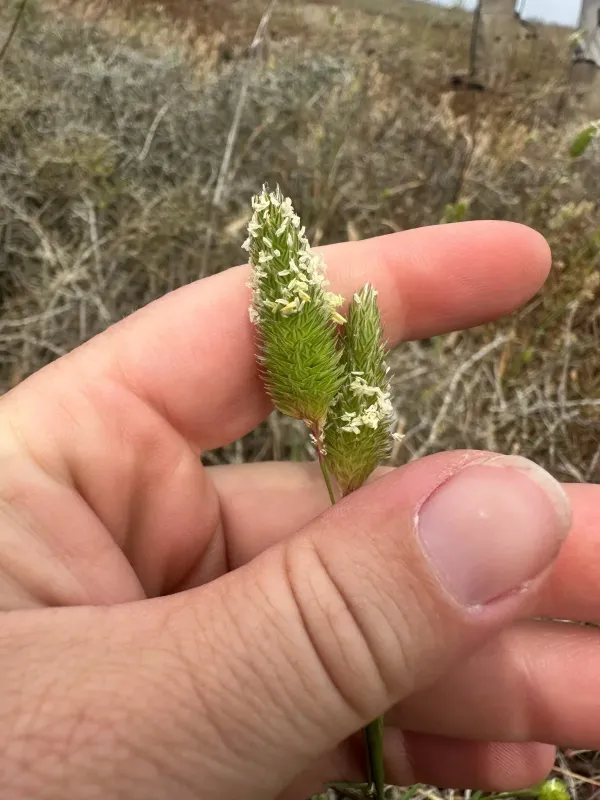
Description
Sowing dates
Phalaris minor, commonly known as lesser canary grass, is a cereal-like grass species that requires precise sowing management. Planting is typically performed in early spring once the soil temperature reaches an optimal level for germination.
The seeds should be sown at a shallow depth of approximately 2-3 centimeters to ensure good soil-to-seed contact. This depth is critical for promoting uniform and vigorous seedling emergence.
Row spacing is an important factor; narrower rows are often preferred to increase plant density and minimize competition from weeds during the early growth stages.
Selecting high-quality, clean seeds is essential for establishing a healthy crop. Producers should avoid using seed lots contaminated with other grass seeds or weed seeds to prevent infestation in the field.
Early sowing takes advantage of the moisture stored in the soil after winter, which is vital for the rapid vegetative growth required for high biomass production.
Growing requirements
Lesser canary grass thrives in fertile, well-drained loamy soils. While it exhibits a degree of tolerance to varied soil conditions, it performs best in soils with high moisture-holding capacity.
The crop is sensitive to extreme environmental conditions, preferring moderate temperatures throughout its growing season. Adequate sunlight is necessary for robust photosynthesis and development of the seed heads.
Nutrient management is key to successful yields. Nitrogen fertilization is usually required to boost vegetative growth, but it must be balanced with phosphorus and potassium for overall plant health.
Irrigation may be necessary in arid regions, as water stress during the flowering and grain-filling stages can significantly reduce the potential yield of the crop.
Field preparation should focus on achieving a fine, firm seedbed. This helps to eliminate large clods and allows for even distribution of the seeds during the mechanical planting process.
Yield
The yield of Phalaris minor is primarily measured by the total biomass harvested for fodder or the quantity of grain produced. Optimal agronomic practices can lead to significant output under favourable conditions.
Forage production is highly valued due to the plant's nutritional composition. Harvesting at the correct phenological stage ensures the highest protein content for livestock consumption.
Grain yields are influenced by management factors, including planting density and the control of competitive weeds. High-yielding varieties are available to maximize returns for farmers focusing on cereal production.
The versatility of the crop allows it to be used in various livestock diets, from hay to seed-based animal feed, making it a reliable resource in mixed agricultural systems.
Maintaining crop health through integrated management practices significantly contributes to the stabilization of yield across different growing seasons.
Main diseases and pests
Common fungal diseases such as rust and powdery mildew can affect the crop, particularly in humid conditions. Fungicide applications are effective tools if disease levels exceed the economic threshold.
Pests like cereal aphids and various fly larvae can cause damage to stems and leaves. Early scouting is essential to implement control measures before significant damage occurs.
Root rots may develop in poorly drained fields, which underlines the importance of maintaining good soil structure and proper water management throughout the growing cycle.
Weed management is a significant challenge, especially in the early stages of development. Herbicide application, specifically targeting grass weeds, is often required for a clean crop stand.
An integrated pest and disease management strategy, which includes crop rotation and the use of resistant varieties, is the best approach to protect the investment in the crop.
Harvesting
Harvest timing is critical for quality. For forage purposes, the crop should be mowed before the stems become overly fibrous and lignified to preserve nutritional quality.
When harvesting for grain, moisture content must be monitored closely to avoid losses during threshing. Combining should be performed when the crop is fully mature but before the grain begins to shatter.
Drying the harvested material immediately is necessary to prevent spoilage and potential mycotoxin development in storage. Proper aeration techniques should be employed to ensure longevity.
Cleaning and grading the seeds after harvest add value to the product. Removing chaff and debris is a standard practice to meet market requirements for feed or seed stock.
Efficient post-harvest handling ensures that the hard work put into the growing season translates into high-quality, profitable agricultural products.