
Narrow canary grass
Phalaris angusta Nees ex Trin.
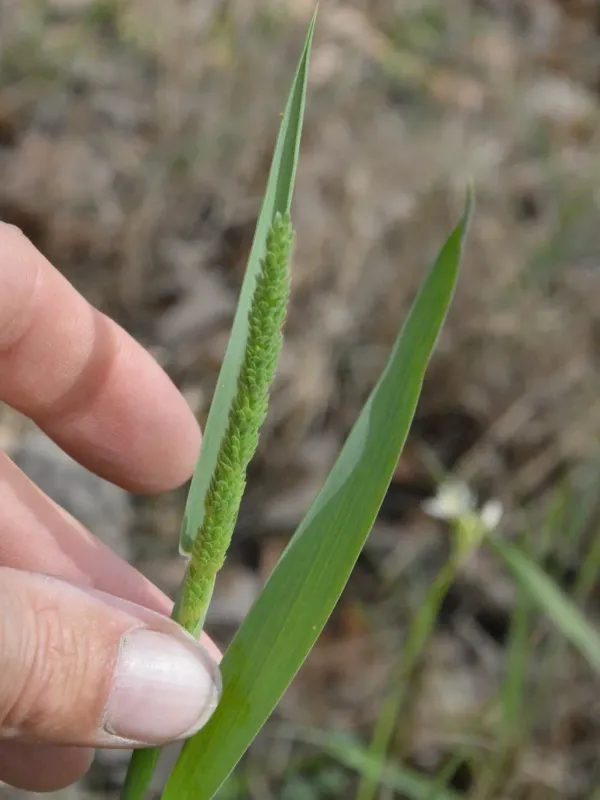
Description
Sowing dates
Narrow canary grass (Phalaris angusta) is a significant annual grass species within the Poaceae family, widely recognized for its agricultural versatility.
The sowing season typically begins in early spring, once soil temperatures remain consistently above 10 degrees Celsius to promote rapid and uniform germination.
Precise seedbed preparation is essential due to the small size of the seeds, ensuring they are buried at a depth of no more than 2 centimeters to maximize emergence rates.
Uniform seed distribution is managed through calibrated drilling equipment, which facilitates consistent plant density across the entire cultivated field.
Depending on regional climatic zones, planting density should be adjusted to optimize biomass production for either grazing or silage harvesting purposes.
Growing requirements
This crop thrives in moist, fertile soil conditions and exhibits a remarkable tolerance for periodic waterlogging, making it ideal for low-lying agricultural areas.
While adaptable to various soil types, narrow canary grass performs best in well-drained loams with a neutral pH level, which encourages robust root development.
Adequate sunlight is critical for its growth, as shading significantly reduces both the yield and the quality of the forage produced by the plants.
Nitrogen fertilization is highly recommended during the peak growing phase to enhance tillering and maximize the production of high-protein forage mass.
Management of water availability during the peak vegetative stage ensures that the crop maintains high nutritional density, which is vital for livestock performance.
Main diseases and pests
The primary pathological threats include various rust diseases and powdery mildew, which often manifest during periods of high humidity and stagnant air circulation.
Insects like aphids and various cereal stem borers pose a risk to the crop, potentially stunting growth and reducing the nutritional value of the final forage.
Integrated pest management strategies, such as early harvesting and field sanitation, are effective methods for minimizing the impact of these agricultural pests.
Regular field scouting is essential to identify infestations at an early stage, allowing for targeted interventions that prevent the spread of diseases across the field.
Maintaining a clean agricultural environment and avoiding excessive seeding rates helps mitigate the risks associated with fungal infections and competition among plants.