
Persoonia
Persoonia
Persoonia is a diverse genus of evergreen shrubs and small trees belonging to the Proteaceae family. Native primarily to Australia, these plants are renowned for their ecological resilience and ability to thrive in nutrient-poor environments, particularly those with sandy soils.
What the section contains


Persoonia
One of the most critical aspects of Persoonia cultivation is the management of phosphorus levels. These plants have highly specialized roots and are extremely sensitive to phosphorus toxicity; therefore, avoiding phosphate-rich fertilizers is essential for their long-term survival.
The plants require excellent soil aeration and drainage. They are best suited for loose, sandy, or gravely soils where water moves freely, preventing any risk of waterlogging. In garden settings, elevated beds are often used to ensure the root zone remains healthy and well-drained.
Climate-wise, they flourish in sunny or light-shade locations. While some species show tolerance to light frost, they generally perform best in mild climates where they are protected from strong, drying winds that can cause physical damage to their foliage.
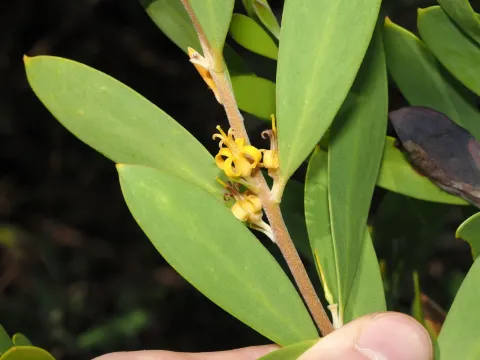
Botanically, Persoonia species feature simple, often leathery leaves and small, distinctive flowers. These are followed by drupaceous fruits, which are important ecological components that provide food for various native bird and mammal species in their natural habitat.
The most significant threat to Persoonia is Phytophthora cinnamomi, a destructive soil-borne fungus that causes root rot. Because there is no effective cure once the pathogen is established, strict hygiene protocols and preventative measures against soil movement are vital.
Insect pests such as leaf-eating beetles and caterpillars can occasionally infest the plants. Integrated Pest Management (IPM) practices, including manual removal and monitoring, are preferred to maintain the plant's health without relying on harsh chemical inputs.
Excessive humidity combined with poor airflow can lead to fungal leaf spot diseases. Ensuring sufficient spacing between individual plants is a simple yet effective cultural practice to promote air movement and minimize the risk of infection.
Root system disturbance is a common stressor that weakens the plant's natural defenses. Gardeners should avoid digging or tilling near the root zone, opting instead for organic mulches to suppress weeds and maintain consistent soil moisture levels.
Regular monitoring for symptoms such as wilting, yellowing of the leaves, or stunted growth is necessary to catch environmental or pathological issues early, as plants in the Proteaceae family often struggle to recover once severe stress has taken hold.