
Protea hybrids
Protea hybrids
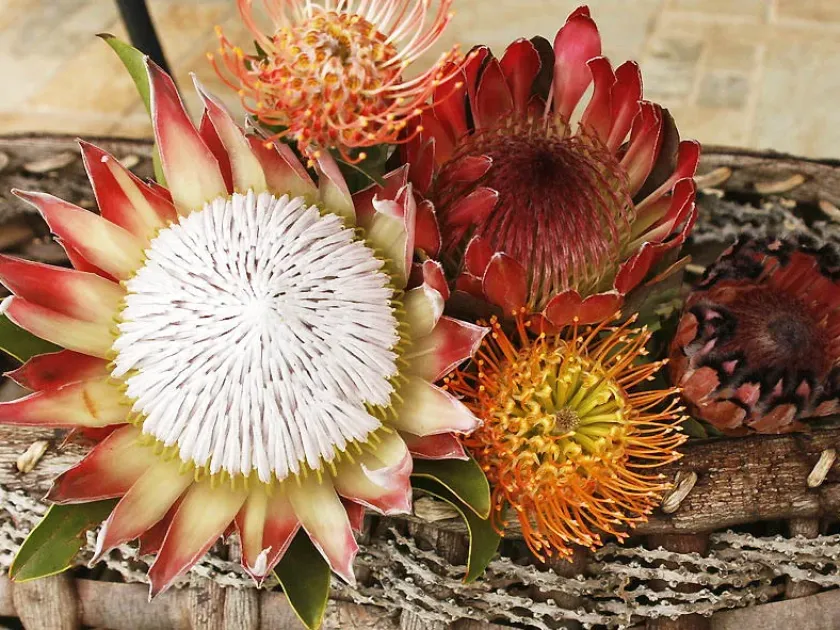
Description
Growing requirements
Protea hybrids belong to the Proteaceae family and are sophisticated cultivars bred for the floral industry. Their origins in the South African fynbos biome dictate their unique physiological needs, making them highly specialized agricultural crops.
These plants thrive in regions with Mediterranean-like climates characterized by mild, wet winters and dry, warm summers. In non-native climates, they require greenhouse environments with precise temperature control to flourish.
The substrate must be exceptionally well-draining, acidic, and low in nutrients. Commercial growers often use coarse sand or specialized rock-based mixes to mimic the natural soil conditions of the South African Cape.
Light intensity is the primary driver of quality for Protea hybrids. Ensuring full solar exposure or high-output greenhouse lighting is essential to prevent etiolation and ensure the development of vibrant, sturdy inflorescences.
Water quality management is critical. Proteas are calcifuge plants, meaning they are intolerant to alkaline water and high calcium levels, which can lead to rapid nutrient lockout and root system degradation.
Main diseases and pests
Root rot, primarily caused by Phytophthora species, remains the greatest threat to Protea plantations worldwide. It is exacerbated by poor drainage and excessive moisture, which create perfect conditions for pathogen colonization.
Mealybugs and scale insects are persistent pests that thrive in protected greenhouse environments. They tend to hide in dense foliage and at the base of the flower bracts, complicating manual control and inspection.
Botrytis cinerea can infect the flower heads, especially during periods of high atmospheric humidity and poor ventilation. This fungal pathogen can ruin entire shipments if not managed through rigorous climate control.
Spider mites often emerge as a problem in warm, dry greenhouse conditions. They puncture plant cells, leading to chlorotic spotting on leaves and a general decline in the plant's overall photosynthetic capacity.
Integrated Pest Management (IPM) protocols are essential for Protea growers. This includes regular scouting, the introduction of beneficial predatory insects, and targeted chemical applications only when thresholds are exceeded.
Harvesting
Harvesting Protea hybrids is a delicate operation. The ideal stage for cutting is when the flower head has expanded, and the inner bracts have begun to open, ensuring longevity in a vase.
Workers must use sterilized tools to prevent the transmission of vascular diseases between plants. Once cut, the stems are immediately transferred to clean buckets filled with deionized or filtered water.
Post-harvest conditioning involves removing lower leaves to prevent decay and immersing the base of the stems in specialized holding solutions that improve water uptake and prevent microbial growth.
Grading is based on stem length, head size, and symmetry. Any foliage with blemishes or signs of insect damage must be culled to meet the high aesthetic standards required for the luxury floral export market.
Cold chain management is non-negotiable for shipping Protea hybrids. Maintaining a consistent temperature of +2°C to +4°C ensures the product remains fresh and marketable for extended periods after harvest.