
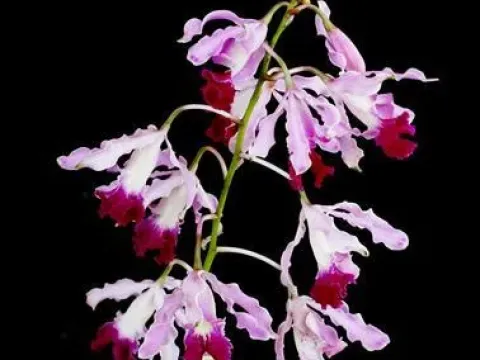
Myrmecophila
Myrmecophila
Myrmecophila is a distinct genus within the Orchidaceae family. These epiphytic plants are native to the tropical regions of Central America, Mexico, and the Caribbean islands, where they thrive in high-humidity environments.
What the section contains


Myrmecophila
Botanically, they are known for their large, hollow pseudobulbs that frequently house ant colonies in their natural habitat. This myrmecophytic relationship provides the plant with essential nutrients, acting as a defense mechanism against herbivores.
To successfully cultivate this species, high light intensity is mandatory; these plants are often compared to cattleya orchids in their cultural requirements. Optimal temperature ranges from 20°C to 30°C throughout the year.
Potting media should be very coarse to ensure rapid drainage and air circulation around the roots. Common mixtures include large pieces of pine bark, charcoal, and lava rock, which prevent the substrate from becoming waterlogged.
In a horticultural context, Myrmecophila is primarily utilized for ornamental display. Enthusiasts prize them for their long, sturdy inflorescences that can produce numerous fragrant flowers, making them excellent candidates for specialized greenhouse collections.
The primary pests affecting Myrmecophila are scale insects, mealybugs, and spider mites. These pests thrive in dry environments and can quickly damage the plant's succulent pseudobulbs and leaves.
Fungal and bacterial rots are the most significant threats during periods of low light or poor air circulation. Overwatering or improper ventilation leads to oxygen deprivation in the root zone, which rapidly causes tissue death.