
Naked Man Orchid
Orchis italica
Description
Growing requirements
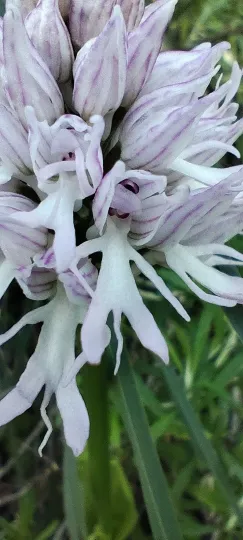
The Naked Man Orchid (Orchis italica) is a perennial herbaceous plant belonging to the Orchidaceae family. It is widely recognized for its unique flowers that resemble small human figures, a trait that gives it its common name.
This species is native to the Mediterranean region and requires a climate with mild, rainy winters and dry, warm summers. It typically thrives in open meadows, scrublands, and light woodlands where sunlight is abundant.
The plant demands well-drained, lime-rich soils. A critical aspect of its biological requirements is the presence of symbiotic mycorrhizal fungi in the soil, which are essential for nutrient absorption and seed germination.
Cultivation of this orchid is generally complex and is largely restricted to scientific research or specialized botanical collections, as the plant cannot tolerate standard agricultural fertilizers or excessive soil moisture.
Agricultural management focuses on site conservation rather than mass production, as the species is sensitive to habitat loss and environmental degradation across its natural range.
Main diseases and pests
Fungal root rot represents the primary threat to this plant, often triggered by waterlogged conditions that occur when drainage is not properly managed in a controlled environment.
Pests such as aphids are frequently observed attacking the flowering stems, which can stunt development and reduce the vitality of the plant during the short growing season.
Nematodes and other soil-borne parasites can cause significant damage to the root system, often leading to the systemic failure of the plant if not addressed early.
The loss of specific pollinator species or the disruption of the delicate soil fungus-root relationship can prevent the plant from reproducing effectively in the wild.
Proper environmental control and the avoidance of harsh chemical treatments are essential strategies to prevent the outbreak of diseases and ensure the survival of the species.